If you are considering buying land for horses near Stephenville, the amount of acreage needed is a common question with several practical considerations. Most horse owners in Erath County start with the guideline of 1.5 to 2 acres per horse for managed pasture, but the right acreage depends on pasture quality, land improvements, water, fencing, and how you plan to care for your horses. Preferred Properties of Texas has helped many buyers navigate these details, so you can make confident decisions in our local market.
What Is the Recommended Acreage for Horses Near Stephenville?
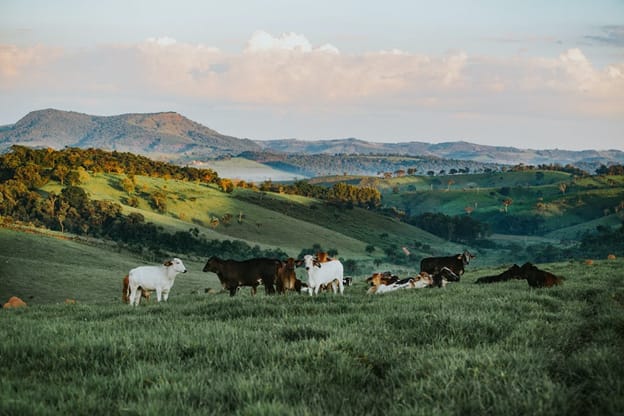
 The typical recommendation is 1.5 to 2 acres per horse for maintained pasture if you plan to supplement with hay during dry periods. If you want your horses to graze primarily on grass with minimal supplemental feed, plan for up to 2 to 4 acres per horse. These numbers are starting points; quality of pasture, the ability to rotate grazing areas, soil and grass type, fencing, and water access all influence how well a property supports horses.
In Stephenville and throughout Erath County, many buyers find that 3 to 4 acres can work well for two horses if the land is improved, cross-fenced, and you are willing to manage turnout and feeding routines. Larger herds or less managed setups often need 6 acres or more, especially if the property includes steeper terrain, brush, or areas not suitable for grazing.
Acreage Is Only Part of the Equation
While acreage matters, it is only one part of evaluating horse property around Stephenville. Land usability, water, fencing, shelter, and access are equally important to ensure the acreage actually meets your needs. Our team at Preferred Properties of Texas always recommends looking beyond just the total acres and assessing practical features for daily horse care.
- Usable pasture: Improved, open pasture supports horses better than rough, brushy terrain. Ten acres of rocky or wooded land is not the same as ten acres of strong coastal pasture.
- Water source: Safe, reliable water is essential—rural water taps, wells, ponds, or tanks all work. If water is distant or limited, caring for horses will be more labor intensive.
- Fencing: Secure fencing and smart cross-fencing make management easier. Electric fencing, pipe, or no-climb wire are all commonly used in Erath County.
- Improvements: Barns, loafing sheds, hitching areas, tack rooms, and good gates all add functionality, particularly for buyers planning on training, breeding, or regular turnouts.
- Drainage: Well-drained ground is safer and easier to maintain. Flood-prone or poorly drained tracts require extra work for horse health and pasture longevity.
 How You Plan to Use the Property Shapes Your Acreage Needs

Horse properties come in all setups throughout Stephenville, Dublin, Bluff Dale, and other nearby communities. Are your horses in stalls part of the day, out on pasture, or kept in a dry lot with turnout? Do you plan to buy hay each winter, or do you want them primarily grazing? Will you host events, run a breeding operation, or simply ride for pleasure? Each situation has different requirements.
Common Local Scenarios
- Stall-kept horses with daily turnout: Many small subdivisions allow 2 to 3 horses on 3 to 5 acres if turnout is limited, pastures are rotated, and supplemental feed is provided.
- Full-time pasture with herd: More acreage—often 1.5 to 2 acres per horse minimum—helps prevent overgrazing and pasture damage, especially with broodmares or retired horses.
- Training or arena-focused buyers: More space for arenas, round pens, or parking for trailers may fit best on tracts of 5+ acres, even with a small number of horses.
What Makes a Property Horse-Friendly Near Stephenville?
 In our experience at Preferred Properties of Texas, the most respected horse properties are those that balance good land, water, improvements, and safe access. Buyers often ask us to walk properties before they make an offer, looking for features beyond the surface.
- Are pastures open and easy to mow, drag, and rotate?
- Is there a reliable water source and frost-proof hydrants for winter?
- Does fencing match your needs for adults, colts, or breeding setups?
- Are easements, deed restrictions, or access issues present?
- What type of soil and grass can you expect throughout the year?
For deeper guidance on evaluating land use, access, easements, and deed restrictions, you may also find our article on Understanding Deed Restrictions and Land Use in Erath County helpful, especially when reviewing rural tracts intended for horses.
Practical Questions to Ask When Searching for Horse Acreage
- How much of the acreage is truly usable for grazing, training, or turnout?
- What is the condition and type of perimeter and cross fencing?
- Is the property serviced by a well, rural water, pond, or only seasonal tanks?
- Do the barns, sheds, stalls, or arena fit your plans or require immediate upgrades?
- Are there existing ag exemptions or perceived tax benefits?
- Does the access road support trucks and trailers in all weather?
- Are there floodplain or drainage issues that impact horse safety or pasture use?
Best Practices for Buying Horse Property in Erath County
- Request a recent survey to confirm usable acreage and boundary lines—see our article Do You Need a New Survey When Buying Land in Erath County? for more.
- Bring a local expert to evaluate soil, fencing, and improvements before making an offer.
- Check with Erath County or cities like Stephenville or Dublin for any special restrictions or required permits on horse facilities.
- Ask about ag exemption status and what is required to keep or initiate it locally.
- Budget for necessary upgrades, especially if you plan to improve pastures, add barns, or change fencing.
Choosing a Location: Stephenville, Dublin, Bluff Dale, and Beyond
Different parts of Erath County serve different types of horse owners. Tracts close to Stephenville or Dublin may allow more frequent trips to the feed store, vet, or arena, while larger-acreage ranches out toward Bluff Dale, Lipan, or Hico may offer more seclusion, improved pasture, or larger barns. Think about how much daily hauling, turnout, and oversight you want before narrowing your search.
FAQ: Buying Land for Horses Near Stephenville
How many acres do I need for one horse?
Most buyers use 1.5 to 2 acres per horse as a starting point, but quality of pasture, turnout schedule, supplemental feeding, and rotational grazing all impact how many acres are needed in practice.
Can I keep horses on less than two acres?
Yes, smaller tracts can work with careful management, stalls, and regular turnout. Plan to feed more hay and commit to managing mud, manure, and recovery time for the pasture.
Is more acreage always better for horses?
Not necessarily. More land helps with recovery and grazing but only if it is usable, easy to maintain, and has proper fencing and water. Some buyers prefer less acreage with high-quality improvements over larger, undeveloped tracts.
What are the most important features besides total acreage?
For most horse owners near Stephenville, water supply, usable open pasture, safe fencing, and barns or sheds matter as much or more than just the size of the tract.
Should I buy raw land or a set-up horse property?
This depends on your goals, skills, and timeline. Many buyers appreciate already-built barns and fencing, while others want the flexibility to customize a property from raw land. Consulting with a local broker can help you weigh the pros and cons based on local inventory and costs.
Work With Local Experts Who Understand Horse Property
Deciding how much acreage you need for horses near Stephenville involves a range of factors from grazing goals to local restrictions and drainage. Our team at Preferred Properties of Texas, led by local broker Case Horton, focuses on helping buyers and sellers evaluate not just acreage but land use, improvements, fencing, and day-to-day function.
If you would like to discuss available horse properties, connect with a knowledgeable local realtor, or get more information about buying acreage in Stephenville, Dublin, Bluff Dale, or the broader Erath County area, contact Case Horton and the team. We are ready to help you compare options, schedule showings, or answer questions about land for horses in our region.

Ready to look at properties or want local advice on buying land for horses? Visit Preferred Properties of Texas or contact our team to start your search in Stephenville and Erath County.

Leave a Reply