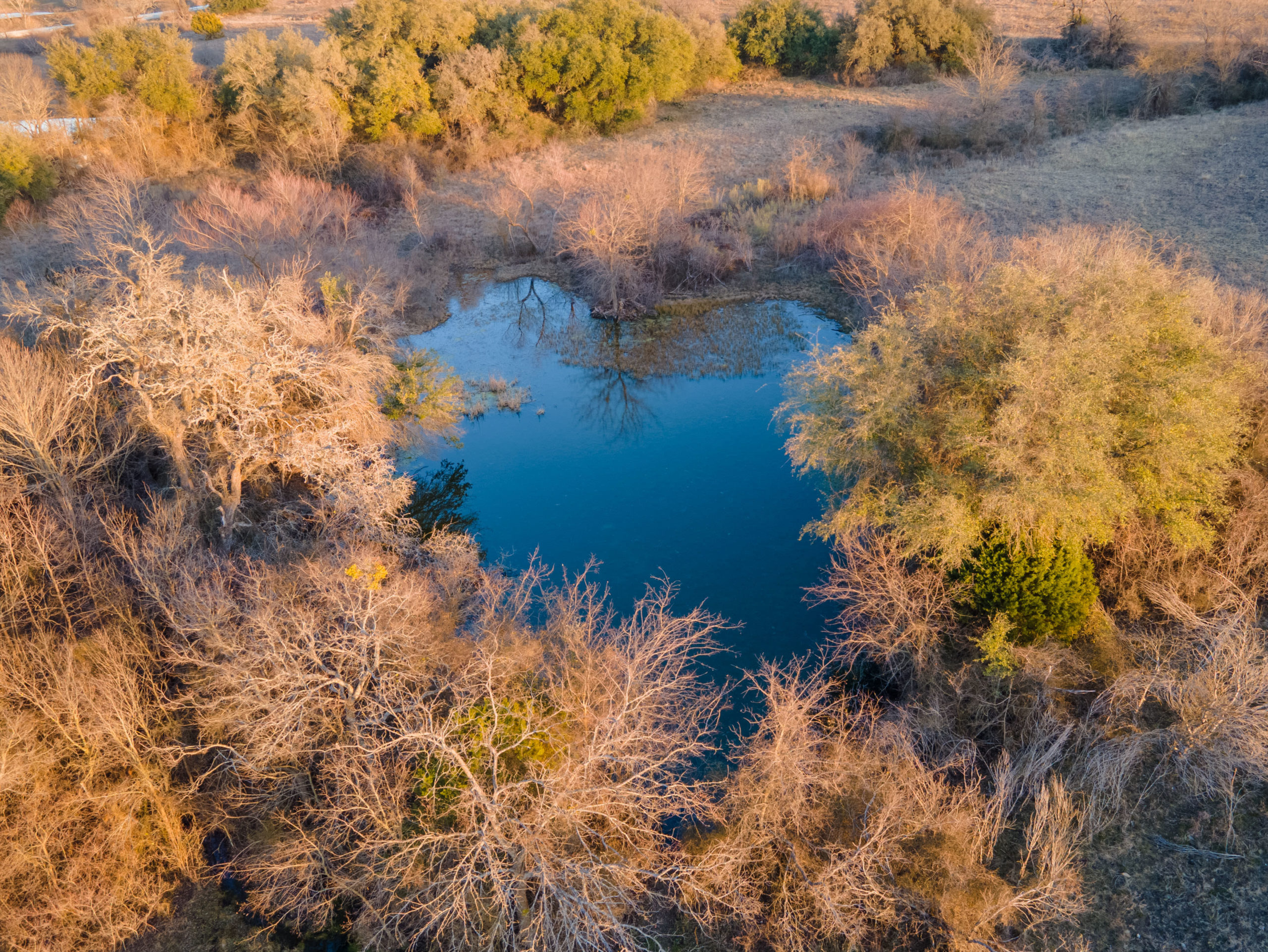
Water is an important resource that continues to shape the development of Texas. The Water Rights law is complex because of the Lone Star State’s historical background and succeeding amendments to adjust to the hydrologic cycle and usage. Water Rights dictates who is given by privilege, quantity, and purpose. It also specifies the time and place where the water may be utilized. Texas law has divided water into legal classes with different rules on ownership and usage for each category. The most recognized of the classes are surface water and underground water. Surface water rights are more complex because it follows the British ruling, and other amendments based on the hydrologic cycle
Surface Water
What is the Riparian Doctrine?
Briefly, the Riparian doctrine is used in resolving water rights and usage conflicts. The fundamental rule is that water rights are connected to the ownership of the property that borders natural water sources such as rivers or streams. Water rights are covered by land proprietorship.
Riparian landowners have the right to use the water within reason and in consideration of the needs of other owners of lands with the same water source. Water rights are retained as long as the property ownership is retained.
Texas water rights use this ruling to resolve conflicts between landowners’ use of natural water within their properties when applicable.
What is Prior Appropriation Doctrine?
Landowners, lawmakers, and the courts from the Western States realized the Riparian Doctrine is not enough to cover rulings on water rights. The doctrine is not appropriate to the dry weather of the Western States, where the rainfall average is below 30 inches per year. Prior Appropriation Doctrine is therefore applied where water rights are not connected to land ownership. Instead, it is based on complying with statutory requirements.
Texas, like the other Western States, was unable to control the use of natural sources of water. Water belonged to no one and was used by everyone. The Doctrine of Prior Appropriation then was adopted to legalize the appropriation of the use of water from rivers and streams.
Combining Two Doctrines
Water Rights Adjudication Act of 1967 combined the Riparian and Prior Appropriation Doctrines. Any person who wished to claim a Riparian must file claims for the right by 1969 with the Texas Water Commission. Furthermore, anybody wishing to use surface water or drainage water must ask and receive permission from the state. The permission is granted by Texas Commission on Environmental Quality.
Why is this drainage water so important that there is a need for a permit to collect and use? Drainage water is another name for diffused surface water or stormwater that naturally incurred after rainfall or snowmelt. Diffused surface water finds its flow from high elevation to low lands. By law, the diffused or drainage water is owned and regulated by the state. Thus, landowners must have a permit to collect this water. There are three general directives applied when drainage water is collected or diverted.
Directive 1 – Common Enemy Rule: Drainage water is considered as a common enemy of all property owners and the law enables all owners to establish measures to protect their properties, without considering the consequence of which to others or neighboring properties. For example, under this rule, Property owner A can take measures like diverting the flow of diffused water to a water duct in his property to protect certain parts from being destroyed or affected by the natural water flow.
Directive 2 – Civil Law Rule or Natural Flow: In this ruling, all property owners are entitled to the perpetuation of the natural flow. If an owner upstream manipulates and increases the flow, causing flooding to lower elevation property, the manipulator is liable to damages.
Directive 3 – Reasonable Flow: Flow of drainage water can be redirected by a property owner even if the extent of the diversion harms the property of another, provided that the action is considered within reasonable circumstances. The reasonable condition is subject to evaluation.
Groundwater
The law on groundwater in Texas is uncomplicated and easy to understand. Groundwater is considered part of the private property of the landowner. Property owners have the right to pump up or collect the water underneath their land. Simple, right? Not so, as all property owners share the reservoir of water underneath the land.
Adjoining properties pump on the same source; pumping up of one property may cause the quantity of water to dwindle or the well of the neighbor to dry out. The existing law on the collection of groundwater is called the “Law of the Biggest Pump”, which means whoever owns the most powerful pump can collect all the water, regardless of whether the neighbor’s reservoir runs dry. Owners are not liable for any inconvenience or even losses their neighbors might incur if their source of water runs dry.
There are only five circumstances where the Texas court will intervene on Groundwater rights:
- If there was trespassing on neighboring land to drill water by directly drilling a well on the property or a slanted well on adjoining property that crosses the property line via subterranean level, then the injured neighbor can sue on grounds of trespassing.
- If there was malicious or wanton intention to injure another by intentionally drying out the well of a neighbor via over pumping, then the court will intervene.
- If it is proven that a property owner or owners are wasting artesian well water by letting the water overflow their land or seep back to the water table, then the court will intervene.
- It is unlawful to contaminate or pollute groundwater.
- If over pumping from adjoining lands causes the other properties to sink or would have an injurious effect on the land, then the court will intervene.
These are the basic ins and outs of Texas Water Rights.
If you are contemplating buying land in Texas then call a knowledgeable agent with Preferred Properties of Texas to help you through the process of buying land and making you sure you have access to one of life’s most valuable resources on the planet water. Check out what farm and ranch properties are available.

Leave a Reply