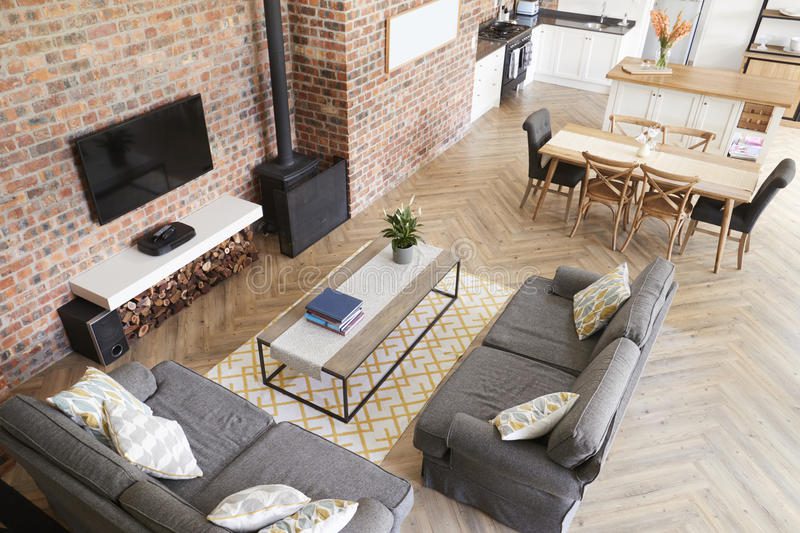
There are many factors that go into choosing the right kitchen floor. How often do you cook? Are you more comfortable with an open floor plan or a closed-off one? Which is the most durable?
Hardwood flooring is an excellent choice for those who want timeless appeal and unmatched warmth. Hardwood flooring will give you a great return on your investment, should you ever decide to sell your house. Another benefit: Hardwood works well in living and kitchen areas, creating a warm, cohesive look.
There are two options for hardwood flooring: engineered or solid wood planks. Engineered wood is made up of a veneer of wood, backed with layers of plywood. This flooring is a better choice for kitchens, as it provides dimensional stability. This protects the flooring against movement due to temperature and humidity changes, which can be a problem in kitchens.
Sheet vinyl, also known as resilient flooring, is the most popular type of flooring. This cushiness is great for those who cook often. It also makes it more comfortable on the feet and reduces muscle fatigue. Sheet vinyl is also more flexible if you or a loved one are prone to dropping things. There will be less damage. Sheet vinyl flooring can be cleaned quickly and easily. It is completely waterproof and stain-proof.
However, this choice comes with its own set of disadvantages. You may find seams depending on the layout and size of your kitchen. Vinyl flooring is 12 feet wide. You will have seams if your kitchen is larger than 12 feet. They can leak moisture into the subfloor, trapping dirt and causing them to not be bonded properly.
Sheet vinyl is easy to clean. Sheet vinyl is easy to maintain. You might prefer a cushioned vinyl flooring with foam backing. The extra cushioning can make it difficult to keep seams bonded for long periods of time. You could also end up with trapped dirt and moisture if your seams split.
Porcelain tile is a type of ceramic tile that can be used as a flooring tile. It is fired at high temperatures to produce a hard and stain-resistant tile, which resists moisture. It can even be used outside in almost any climate because it is so strong. Porcelain tile can be purchased unglazed or glazed, just like other ceramic tiles. Unglazed porcelain tiles take on the clay color, giving them a natural earthy tone.
Glazed tiles, on the other hand can be made in any color and mimic the texture and look of real stone for a fraction of the cost.
The Americans with Disabilities Act certifies that porcelain tiles are slip-resistant. The designation should be clearly displayed on packaging materials or product information.
Cork is made of tree bark, which is harvested every 8-10 years. It is also sustainable. It is produced in countries that regulate harvesting to guarantee future supply.
There are some plus points. Cork’s compressible and waterproof cellular structure makes them a comfortable, water-resistant option. It comes in 12-inch-by-12-inch tiles and one-foot-by-three-foot planks, each with a unique grain pattern of swirls and speckles. It is slip-resistant due to its naturally textured surface.
Cork flooring does require maintenance. To protect against scratches and keep moisture out of the joints between tiles, cork flooring should be sealed every three to four year. Natural wax and polyurethane are good sealers. To keep it green, choose water-based polyurethane which is nontoxic and has low volatile organic compound (VOC) levels.
Original Blog: https://www.houselogic.com/by-room/kitchen/kitchen-flooring-ideas/

Leave a Reply