Buying acreage near Lake Proctor starts with a simple question: what can you actually do with this particular tract? Before committing to land for a home, livestock, or recreation, confirm its legal access, usable building area, water and septic options, utilities, restrictions, and any claimed lake access. The advertised acreage and distance to the water do not answer those questions.
Lake Proctor is near Comanche, within the broader region served by our Stephenville-based brokerage. At Preferred Properties of Texas, we encourage buyers to evaluate the land they can use and the rights they will receive, not just the view from a listing photo. Here is how to work through that review before closing.
What due diligence means when buying acreage near Lake Proctor
Due diligence is the property-specific investigation a buyer completes before accepting the obligations of a purchase. For Lake Proctor area acreage, it means matching your plans to the parcel’s boundaries, access, physical condition, services, recorded rights, and ongoing costs. A tract that works well for weekend recreation may be a poor fit for a full-time home or horses.
Start by writing down what matters most. Is the lake simply a nearby place to visit, or do you need documented access? Will you build, keep livestock, or bring a trailer to the property? Those answers determine which questions need firm answers before you move forward.
Match the tract to your intended use
Our first question when discussing rural land is what the buyer wants to do on an ordinary day, not just on a holiday weekend. A home site needs reliable access, a workable place for the house, and a feasible plan for water, power, and wastewater. Livestock land needs usable pasture, fencing, water, and room for equipment. Recreational land may place more weight on privacy and terrain, but access and recorded rights still matter.
- For a home: Identify the proposed building area, driveway route, utility connection points, and possible septic area.
- For horses or cattle: Walk the pasture, inspect perimeter and cross-fences, and consider how animals will reach water.
- For recreation: Check how you will reach the tract in wet weather and whether any hunting, camping, or other planned use is restricted.
- For a future sale: Think about whether the next buyer could readily understand the access, improvements, and usable acreage.
If a property seems to fit more than one purpose, investigate each use separately. Being able to spend a day there does not establish that you can build a house, and having a pond does not establish a dependable water supply for livestock.
Verify boundaries, road frontage, and legal access
Ask for the legal description and any existing survey early. Compare them with the listing, tax information, fences, gates, and what you see on the ground. Fence lines and advertised acreage are useful clues, but neither should be treated as a substitute for a survey when a boundary or building location matters.
Road frontage is not the same as a usable entrance
Find out whether the tract fronts a public road or is reached through an easement. If an easement is involved, ask the title company and a qualified attorney to help you review its recorded location and terms. Then inspect the physical route. Can a vehicle with a trailer turn through the gate? Are there culverts, steep sections, or low crossings that need attention? Who maintains a shared road?
Access problems can change the practical value of an otherwise appealing tract. They can also affect delivery of building materials, emergency access, and everyday travel. For a closer look at how surveys help answer rural boundary questions, see our guide to surveying land in Erath County. The same basic questions are useful near Lake Proctor.
Separate lake proximity from lake rights
“Near Lake Proctor” can describe very different properties. A tract might be within a drive of the lake, have a view, border land beside the water, or come with a claimed access arrangement. Those descriptions are not interchangeable.
If shoreline or lake access is important, ask exactly where the parcel ends and how you would reach the water. Request the survey and recorded documents behind any access claim. Do not assume you can add a dock, clear a path, or use neighboring land because the property looks close to the lake on a map. Have the applicable authority and appropriate professionals address any proposed shoreline improvement or access arrangement before relying on it.
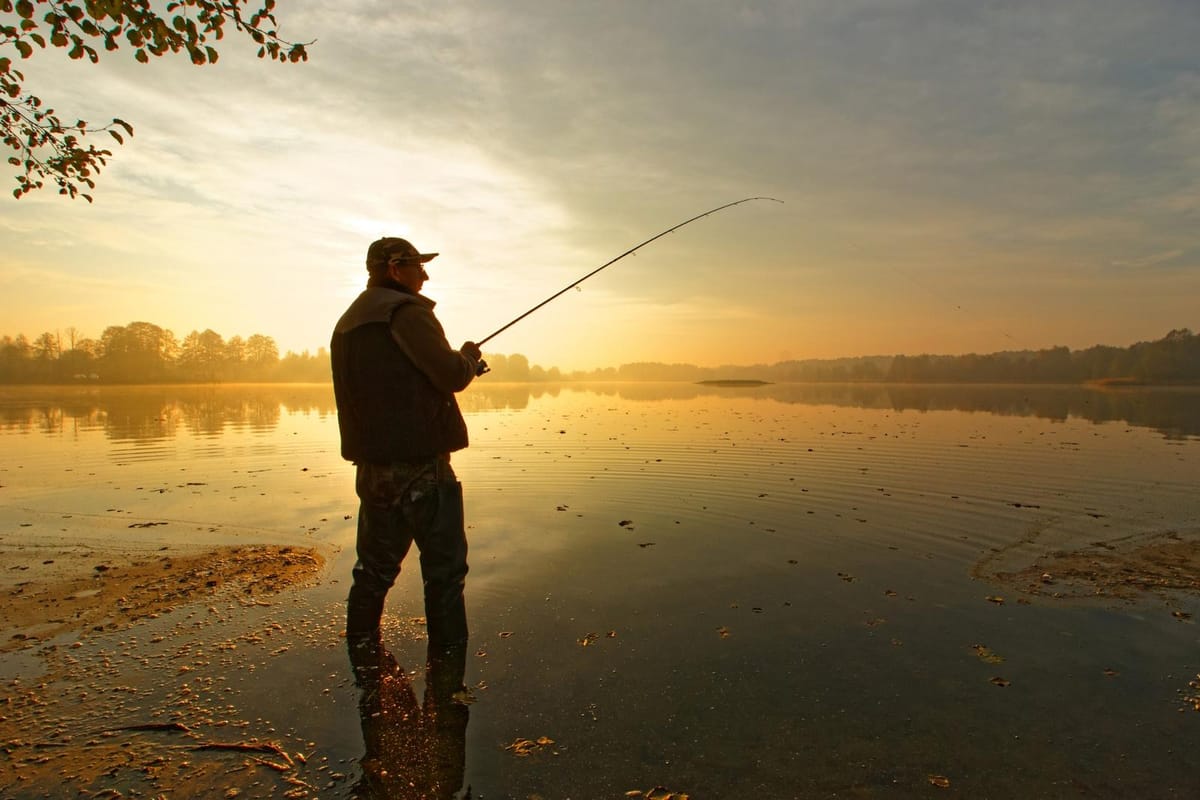
Likewise, a stock tank, pond, or seasonal drainage on the tract is not the same thing as a tested domestic water source. Ask where the water comes from and how the feature behaves in dry and wet conditions.
Check water, septic, electricity, and communications at the proposed site
Utility availability is a site question, not just a listing question. Power at the road may still need to be extended to the home or barn. A nearby water line may not mean a connection is available. Cellular and internet service can change across a rural tract, so check them where you expect to use them.
- Water: Identify the proposed source. For an existing well, request available records and arrange appropriate testing and inspection. If service from a provider is anticipated, ask that provider about availability and connection requirements.
- Septic: Ask for records on an existing system, or arrange a site-specific evaluation if you plan to build. Do not choose a house location based only on where the view is best.
- Electricity: Confirm the provider, the location of existing facilities, and what would be needed to serve your preferred building site.
- Communications: Test cell coverage on the property and ask providers about service at the exact address or location.
Get written information or estimates where possible. Distance, terrain, and the location of your improvements can affect the work required. Our discussion of wells and rural utilities near Stephenville offers additional questions to bring to a showing.
Walk the land for drainage, terrain, and usable acreage
Look past the total acreage figure. Trees, slopes, rocky ground, low spots, and drainage paths all influence where you can place a home, fence a pasture, or drive equipment. A tract can have plenty of acres on paper while offering fewer acres that suit your specific plan.
Review available flood information, then walk the proposed building site, roads, and low areas with the right professional if conditions raise concerns. Look for erosion, standing water, damaged culverts, and evidence of runoff near structures or potential septic areas. A visit after rain, when feasible, can show conditions that are hard to judge on a dry day. A surveyor, septic professional, or engineer can address questions beyond a visual inspection.
Read restrictions, easements, leases, and rights before you rely on a plan
Ask for the title commitment and recorded documents that affect the tract. Pay special attention to deed restrictions and easements if you want to place a home, barn, shop, arena, RV, or additional dwelling on the property. Also ask about existing grazing or hunting leases and when possession of the land and improvements will be available.
Mineral rights and surface-use rights deserve their own review. Do not assume every right associated with a rural tract transfers with the sale. If mineral reservations, pipelines, or other recorded interests appear in the documents, have a qualified attorney explain how they may affect your intended use. Our article on deed restrictions and rural land use explains why this review belongs early in the process.
Inspect improvements and prepare for the full ownership cost
A gate, fence, barn, or cabin may look like a head start, but inspect it as part of the purchase. Walk fence lines where access allows, check gates and water points, and ask qualified inspectors to assess buildings and systems you intend to use. If livestock are part of your plan, consider whether existing fences and facilities fit those animals rather than assuming any fence will do.
Budget beyond the purchase price. A rural tract may need road work, fencing, brush management, utility extensions, well or septic work, and ongoing care. Ask lenders about financing for the property type you are considering, and obtain estimates from relevant professionals before making decisions based on an improvement budget.
If the property currently receives an agricultural valuation, ask the appropriate county appraisal district about its status and how your planned use could affect it. Current tax treatment is not a promise about future treatment. Buyers considering grazing can also review our guide to agricultural valuation after purchasing a ranch.
Best practices for a Lake Proctor acreage purchase
Keep a short list of unresolved questions for each property. It makes comparing two tracts easier and helps prevent an appealing feature from obscuring an access or utility issue.
- State your intended use and mark the likely home site, pasture, or recreational area on the survey.
- Confirm boundaries and legal access through the survey and recorded documents, then drive the access route.
- Check every lake-access or shoreline claim separately from the property’s distance to the water.
- Ask the relevant providers and specialists about water, septic, power, and communications at the locations you intend to use.
- Walk the tract and inspect improvements, drainage, fences, and roads.
- Review title matters, restrictions, leases, mineral reservations, and tax questions with the appropriate professionals.
- Collect estimates for necessary work and discuss financing before accepting the total cost.
Begin this work as soon as a tract becomes a serious possibility. Surveying, title review, and site evaluations can take time. Coordinate questions and contract deadlines with your broker, title company, lender, and licensed advisers rather than leaving major uncertainties until closing.
Frequently asked questions
Does acreage near Lake Proctor come with private lake access?
Not necessarily. Proximity, a view, shoreline adjacency, and a recorded right of access are different things. Review the survey and applicable documents before treating lake access as part of the purchase.
Can I build a home on land near the lake?
It depends on the parcel and proposed site. Confirm legal access, restrictions, drainage, utilities, and septic feasibility, then ask the appropriate professionals about any approvals your plan requires.
Should I request a new survey?
Discuss that with your title company, lender, broker, and a licensed surveyor. A current survey is especially useful when fences, easements, road access, acreage, or the location of future improvements are important.
Can I keep horses or cattle on the property?
Check recorded restrictions and examine pasture, fencing, water, terrain, and trailer access. The number of acres alone does not tell you whether a tract fits your livestock plans.
What should I investigate first if I have a limited due diligence period?
Prioritize anything that could stop your intended use: legal access, building restrictions, water, septic feasibility, and any lake right you consider essential. Raise scheduling concerns with your broker and the relevant professionals promptly.
Find acreage that fits your plans
Buying acreage near Lake Proctor is easier to evaluate when you separate the appeal of the setting from the practical details of owning and using the land. Case Horton is the local owner and broker of Preferred Properties of Texas, with experience helping clients buy and sell homes, ranches, land, acreage, farms, recreational property, luxury property, and investment real estate in Stephenville and the surrounding region.
If you are considering a Lake Proctor area tract, contact Case Horton to discuss your land search, request current property information, or schedule a showing. Tell us how you intend to use the acreage so we can focus the conversation on the questions that matter to you.

Leave a Reply