An Erath County ranch closing can be delayed by title defects, an incomplete survey, uncertain legal access, lender or appraisal requirements, unresolved inspection findings, or missing signatures. Ranches can also involve wells, septic systems, leases, mineral interests, and agricultural valuation questions that need attention before the parties are ready to sign.
The practical answer is to start that work as soon as a contract is signed, not in the final week. At Preferred Properties of Texas, we encourage buyers and sellers to identify what needs to be confirmed, who is responsible for confirming it, and when the answer is needed. A closing date is much easier to protect when a question about access or acreage surfaces early.
What counts as a ranch closing delay?
A delay occurs when an issue prevents the buyer, seller, lender, or title company from completing a required step by the agreed closing date. Some issues require a document or a signature. Others call for a new survey, a specialist’s inspection, additional lender review, or a decision by the parties about whether to proceed.
A fence that appears to mark a boundary, for example, is not itself proof of the property line. A well serving a house may be in use, but the buyer may still need to understand its condition and whether any lines cross another tract. The goal is not to assume every rural feature is a problem. It is to find out which features need answers before closing.
Title and survey issues that can delay an Erath County ranch closing
Ownership and title requirements
The title company reviews the ownership record and identifies matters that must be addressed for the sale. A delay can arise if an old lien lacks a recorded release, a seller needs authority to sign for an estate or entity, or the legal description does not match what the parties intended to buy and sell. Multiple tracts make it especially important to check that the contract and title work cover the same land.
For sellers, the useful preparation is straightforward: locate prior deeds, surveys, payoff information, and any documents relating to a trust, estate, or company that owns the property. Buyers should review the title commitment with the title company and bring questions about restrictions, easements, and exceptions to the appropriate professional promptly. A Texas real estate attorney should address legal questions about ownership or the effect of recorded documents.
Survey gaps and boundary questions
A survey can take additional time when an older drawing does not show every tract, improvements have changed, or a new survey is required by the buyer, lender, or title company. On a ranch near Stephenville or Dublin, compare the survey with the land as it is actually used. Note the road entrance, fences, cross-fences, barns, wells, and any improvements close to a boundary.
Fences may have been placed for livestock management rather than on property lines. If the survey reveals a discrepancy, the parties need time to understand its effect before closing. Our guide to when a new Erath County land survey may be needed explains why this question belongs early in due diligence.
Road access, easements, and land-use questions
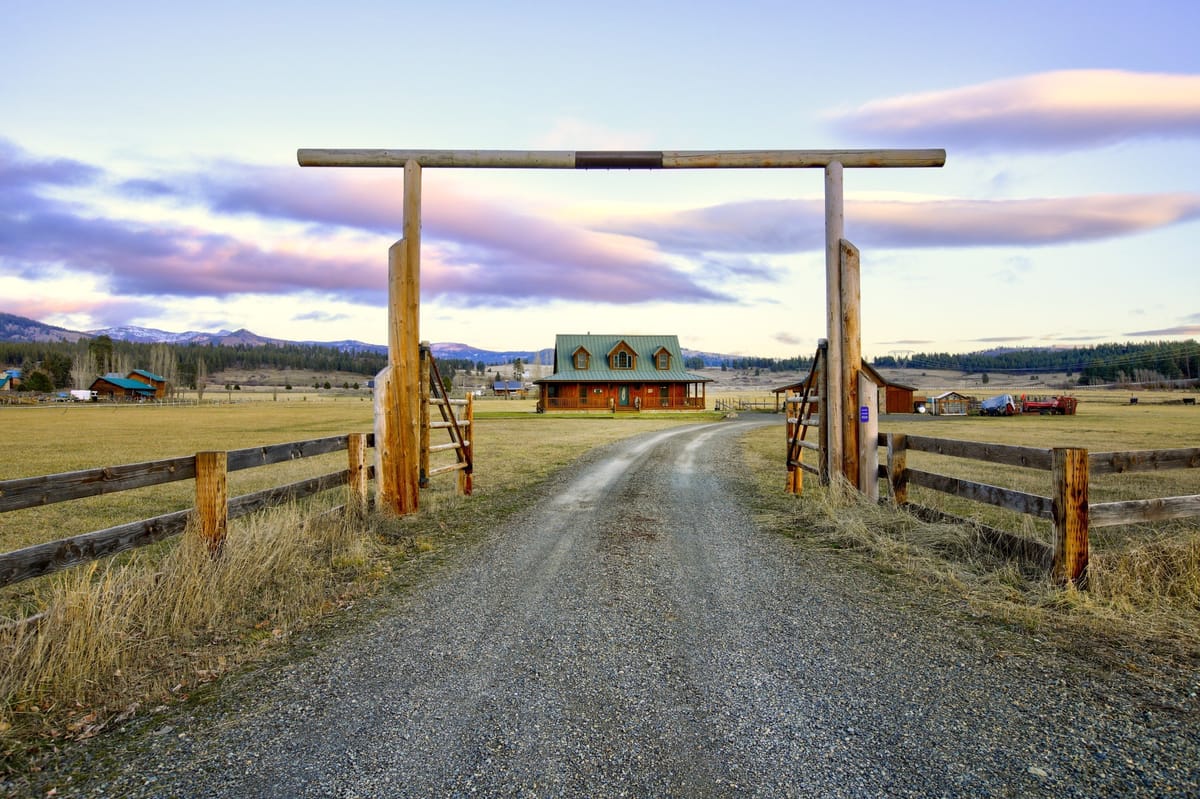
Being able to drive through a gate is not the same as confirming legal access. A ranch may front a public road, depend on a private road, or use an easement across adjoining land. Before closing, buyers should ask how each tract is reached and whether the recorded access matches the route they expect to use.
- Does the survey show the entrance and the route into the property?
- If access crosses another tract, what do the recorded documents say?
- Are there questions about road maintenance, gates, or shared use?
- Will planned uses, such as moving livestock or bringing in construction equipment, raise access questions that need professional review?
Recorded easements and deed restrictions can also affect where a buyer may build, place improvements, or use parts of the land. If a ranch has been split from a larger property, ask whether the legal description, access documents, and utility arrangements reflect that split. Our article on Erath County deed restrictions and land use offers additional questions to consider. Have an attorney interpret legal rights or restrictions rather than relying on how the property has been used informally.
Financing and appraisal delays on rural property
A buyer’s financing can hold up closing if requested documents arrive late, the appraisal takes longer than anticipated, or the lender needs further information about the land and improvements. A ranch appraisal may need to account for more than a house. Acreage, barns, fencing, wells, and other features can all be relevant to a lender’s review.
Buyers should tell their lender at the outset what they are purchasing: a residence with acreage, a working ranch, an equestrian property, or land with no home. Ask what property documents the lender expects and whether the proposed closing date allows enough time for its process. If the buyer is purchasing through an entity, raise that early as well. The lender, not the broker, determines its loan and appraisal requirements.
Cash can remove a loan contingency, but it does not resolve title, survey, access, or property-condition questions. A buyer who skips those checks simply takes on different risks.
Wells, septic systems, utilities, and inspections
A ranch inspection should be planned around the property, not just the main house. Near Stephenville, that may mean asking qualified professionals to evaluate a well and septic system, then reviewing the condition of barns, shops, arenas, fencing, gates, and other improvements that matter to the buyer’s intended use. Scheduling those visits late can leave too little time to discuss findings.
Ask early for well information, septic records if available, and details about electric service and any shared utility lines. Check whether a propane tank or other equipment is owned or leased. For a property with a pond, drainage area, or creek frontage, consider what needs to be investigated about the buyer’s plans rather than assuming the presence of water answers every question.
An inspection finding does not automatically stop a sale. The delay often comes while the parties obtain a specialist’s opinion, discuss repairs, or decide how to address an issue under their contract. Buyers should book inspections promptly. Sellers can help by making the property accessible and gathering service and improvement records. For a closer look at infrastructure questions, see our guide to water wells and rural utilities near Stephenville.
Minerals, leases, and agricultural valuation
Mineral and surface interests are not always owned together. If the buyer expects mineral rights to convey, both parties should identify that expectation in the transaction and have the relevant documents reviewed. A mineral reservation does not by itself mean a ranch cannot sell, but discovering a difference between expectations and the ownership record late in the process can require more time and legal guidance.
Existing arrangements also deserve attention. Ask whether someone has a grazing, hunting, or farm lease, whether livestock or equipment will remain, and when the buyer can take possession. If a lease affects the property, the parties should establish what happens to it at closing with advice from the appropriate professional.
An existing agricultural valuation is another item to investigate, not a promise about future taxes. Buyers should discuss intended use and filing questions with the appropriate county office and a qualified tax professional. Our article about keeping an ag valuation after buying an Erath County ranch is a starting point for that conversation.
A practical plan to protect the closing date
At Preferred Properties of Texas, we find it useful to organize ranch due diligence around three questions: What is being conveyed? Can the buyer use and reach it as intended? What must happen before everyone can sign? This keeps a long list of ranch features tied to the closing decision.
- Before signing a contract: Confirm which tracts and improvements are included. Identify any equipment, livestock facilities, or other items the parties need to discuss separately. Ask about surveys, access, leases, and known title questions.
- As soon as the contract is signed: Send requested information to the title company and lender. Determine whether a survey must be ordered, and schedule property inspections while there is time to respond to findings.
- During due diligence: Compare the survey, title documents, and what you saw on the ground. Investigate wells, septic, utilities, restrictions, leases, and intended use with qualified professionals.
- Well before closing: Check the status of title requirements, appraisal and loan conditions, agreed repairs, payoff information, and required signers. Resolve open questions while there is still room to make decisions.
- At the final walkthrough: Check the property’s condition and any agreed items. Review closing logistics with the title company, and confirm wiring instructions using a trusted phone number rather than relying on an unexpected email.
For a seller, preparing records before listing can make these steps easier. For a buyer, the best practice is to make the intended use clear from the start. A buyer seeking a horse property may need different answers about fencing, water, and barns than someone buying recreational acreage. Neither should wait until closing to ask those questions.
Frequently asked questions about Erath County ranch closings
Can an old survey delay closing?
Yes. If it does not cover all the land being sold, no longer reflects improvements, or does not meet the buyer’s, lender’s, or title company’s needs, a new survey may be required. Raise the question early so there is time to order one if needed.
Does a cash ranch purchase avoid closing delays?
It avoids lender-related steps, but title defects, survey discrepancies, access questions, inspections, and missing seller documents can still affect the closing date.
What if a fence does not match the surveyed boundary?
Do not assume the fence determines ownership. Ask the surveyor about the discrepancy and consult the title company or a Texas real estate attorney about its significance before deciding how to proceed.
Will an existing ag valuation carry over automatically?
Do not assume it will. The buyer’s planned use and any applicable requirements need review with the appropriate county office and a qualified tax professional.
What should a ranch seller gather before listing?
Start with prior surveys, deeds, payoff details, leases, available well and septic records, information about utilities and improvements, and documents relating to ownership or mineral interests. Having records ready helps the buyer and title company identify questions sooner.
Get ahead of your Erath County ranch closing
The most useful closing question is not just when the parties want to sign. It is what still needs an answer about the land, its ownership, and the buyer’s plans. Case Horton, local owner and broker of Preferred Properties of Texas, helps clients buy and sell ranches, land, acreage, farms, recreational property, homes, luxury property, and investment real estate in Stephenville and the surrounding region.
If you are planning to buy or sell a ranch in Erath County, contact Case Horton and Preferred Properties of Texas or call (254) 965-7775 to discuss the property and the questions worth addressing before closing.

Leave a Reply