Grazing capacity is a crucial factor for anyone considering ranch land in Erath County, Texas. Whether your goal is to run cattle, keep horses, or maintain wildlife habitat, understanding how much usable forage your property can support is essential. Local buyers and sellers often ask about the grazing capacity of ranches near Stephenville, Dublin, Bluff Dale, Hico, Lipan, Huckabay, Lingleville, and Tolar—because the real value of rural land is closely tied to what it can practically produce. At Preferred Properties of Texas, we help clients look beyond the acreage on a brochure to the land’s true potential and limitations.
What Is Grazing Capacity?
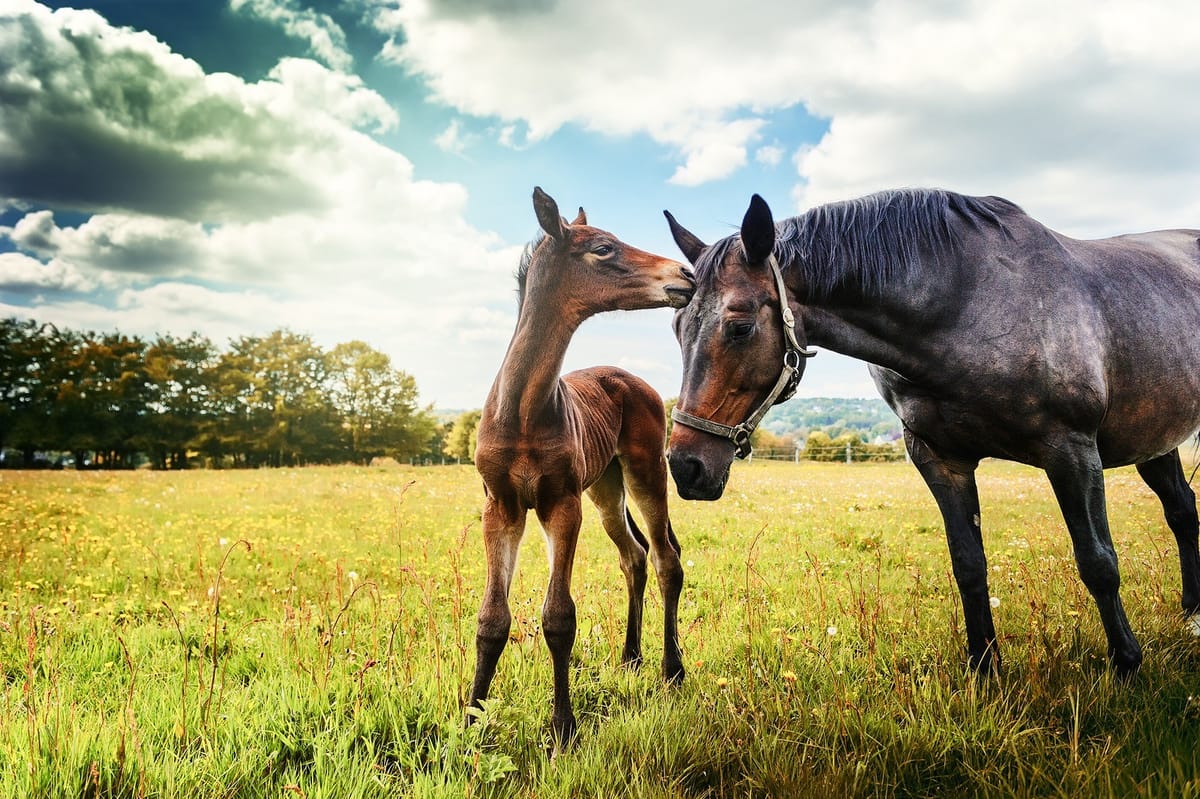
Grazing capacity—sometimes called carrying capacity—refers to the number of livestock a property can support sustainably, based on the amount of usable forage, water, and overall land health. In Erath County, carrying capacity is not a simple equation of “acres per cow.” Factors like soil depth, brush, water access, pasture condition, and fencing all make a difference. For local context, Erath County Appraisal District agricultural guidelines reference a starting point of one animal unit per 20 acres of native pasture for valuation. However, actual capacity can vary widely across different ranches.
Why Grazing Capacity Matters When Buying or Selling Ranch Land
For buyers, overestimating carrying capacity can lead to overstocking, degraded pastures, or unmet operational goals. Sellers should also recognize that realistic grazing numbers—supported by good pasture management and documentation—can add to property value and buyer confidence. That’s why working with an experienced local broker like Case Horton and the team at Preferred Properties of Texas is important. We guide clients through the details that impact not just today’s use, but long-term land productivity.
What Determines Grazing Capacity in Erath County?
- Forage Production: The amount and type of grass, legumes, and browse available for livestock.
- Usable Acres: Not all surveyed acres can be grazed, especially if parts of the property are heavily wooded, rocky, or fenced out.
- Soil Type and Depth: Deeper, healthier soils usually grow more forage than shallow or rocky areas.
- Terrain: Steep slopes or rough country often reduce efficient grazing area.
- Water Sources: Location and reliability of ponds, creeks, tanks, and wells affect how livestock use the landscape.
- Fencing and Cross-Fencing: Well-planned fencing helps manage grazing pressure and protect recovery areas.
- Brush Encroachment: Mesquite and cedar can limit grass production if not managed.
- Grazing and Maintenance History: Past overuse or improvement projects shape what a property can handle now.
Step-by-Step Guide to Evaluating Grazing Capacity
1. Walk the Land—Not Just the Property Lines
Pasture evaluation starts with looking at each pasture or paddock on its own. In Erath County, one area may be productive Bermuda or native grass, while the next may be brushy or rocky. Only the grazeable acres count toward carrying capacity.
2. Identify Forage Types and Condition
Separate out native grass, improved pasture, hay fields, and brush. Healthy pastures with ample grass and ground cover support higher numbers than those with bare spots, erosion, or weed pressure. If you’re interested in horse properties, see our related article How Much Acreage Do You Need for Horses Near Stephenville? for more-specific guidance.
3. Assess Reliable Water Sources
Check the number and location of tanks, ponds, wells, and seasonal creeks. Adequate, well-distributed water means livestock can use all available pasture, not just the areas close to a single tank. This can often increase effective carrying capacity if managed properly.

4. Consider Fencing and Layout
Functional perimeter and cross-fencing allow for pasture rotation, rest periods, and improved land stewardship. Inspect the location and condition of gates and working pens. Good fencing increases your options and can protect sensitive areas from overgrazing.
5. Verify Ranch History and Use
If possible, ask for records on previous stocking rates, hay production, grazing leases, and any recent brush control or pasture improvements. Reliable history and steady use suggest more predictable carrying capacity.
6. Make a Preliminary Stocking Estimate
For a quick reference, Erath County Ag guidelines suggest 1 animal unit (roughly one mature cow) per 20 acres of native pasture, but actual capacity varies. Improved pastures may support higher rates, while brushy, rough, or poorly watered areas may handle much less.
Common Mistakes When Estimating Grazing Potential
- Basing stocking rates only on total acreage, not usable forage or water access
- Assuming a neighbor’s cattle numbers will automatically apply to your land
- Forgetting to account for brush, slope, or non-grazeable land
- Relying on a single season’s grass growth (especially after a wet year)
- Overlooking fencing gaps or cross-fencing needs
- Not verifying agricultural valuation requirements (important for taxes and resale)
We’ve seen these issues create headaches for buyers and sellers alike. Careful due diligence—including field walks, asking strategic questions, and gathering property records—reduces surprises down the line.
How Water, Fencing, and Access Impact Grazing Capacity
Many area ranches have at least one pond or tank, but larger or cross-fenced properties benefit from multiple water sources spread across the acreage. In dry years, tanks may go dry or creeks stop running, so wells or deeper stock ponds are strong assets. Cross-fencing divides large properties into smaller pastures, allowing rotation and rest. This prevents overgrazing in preferred areas and improves carrying capacity over time.
Ag Valuation and Ranch Operation Standards
Many ranch buyers in Stephenville and Erath County want to know how grazing affects their agricultural valuation. The Erath County Appraisal District specifies that typical grazing operations should support at least two animal units and documents the intensity, type, and duration of use. Documentation is important; confirm how the property has been classified and ask for supporting paperwork if your use will depend on agricultural valuation.
Best Practices for Ranch Buyers and Landowners
- Walk potential ranches with an experienced local broker and, if needed, a range consultant
- Request maps, water source lists, and grazing histories from sellers
- Inspect fencing, wells, tanks, and pasture condition in person
- Ask about past brush management and hay production
- Plan for a conservative stocking rate, especially in early years
- Monitor and adjust livestock numbers by season and rainfall
- Document improvements, grazing plans, and ag valuation status for future resale
Local Experience Makes a Difference
Every Erath County ranch is different. One tract may offer productive grazing with a mix of improved and native grass, while another may need significant brush control or fencing upgrades to reach its potential. At Preferred Properties of Texas, we take a practical and realistic approach—balancing your goals, local conditions, and a clear-eyed review of each property. Case Horton and our team leverage deep local knowledge to protect buyers and help sellers present their land’s value honestly.
Frequently Asked Questions
How many acres per cow are typical in Erath County?
A starting reference is 1 animal unit (a mature cow) per 20 acres of native pasture, as suggested by local ag guidelines. Improved pastures can sometimes support higher numbers, but stocking rates depend on forage, soil, and management.
Can I use the acreage shown on the survey to estimate grazing capacity?
No—always focus on grazeable acres, not total deeded acres. Brushy, rocky, or unfenced portions may not support livestock.
Should I expect the same stocking rate every year?
No. Carrying capacity varies based on rainfall, grass growth, and pasture management. It is safest to plan conservatively, especially after several dry years in this region.
How do fencing and cross-fencing help?
Well-designed fencing allows for pasture rotation and helps protect sensitive areas from overuse. This often improves both land health and grazing capacity over time.
What documentation should I request when buying a ranch?
It is helpful to get pasture maps, water source locations, fencing layouts, a record of livestock numbers, and history of brush or hay management. This supports both your operational plan and ag valuation needs.
Your Next Step—Local Expertise You Can Trust
If you are looking at ranches, horse properties, or acreage near Stephenville or anywhere in Erath County, an honest, knowledgeable perspective on grazing capacity can make a real difference. Preferred Properties of Texas, led by owner and broker Case Horton, is dedicated to guiding buyers and sellers through every detail of the local land market—from practical grazing management to navigating ag valuation standards.
Contact us today to discuss active listings, schedule a ranch visit, or review your land’s unique potential with a local expert. Our team is proud to help clients make informed decisions about some of the finest rural properties in the Cross Timbers region.

Leave a Reply