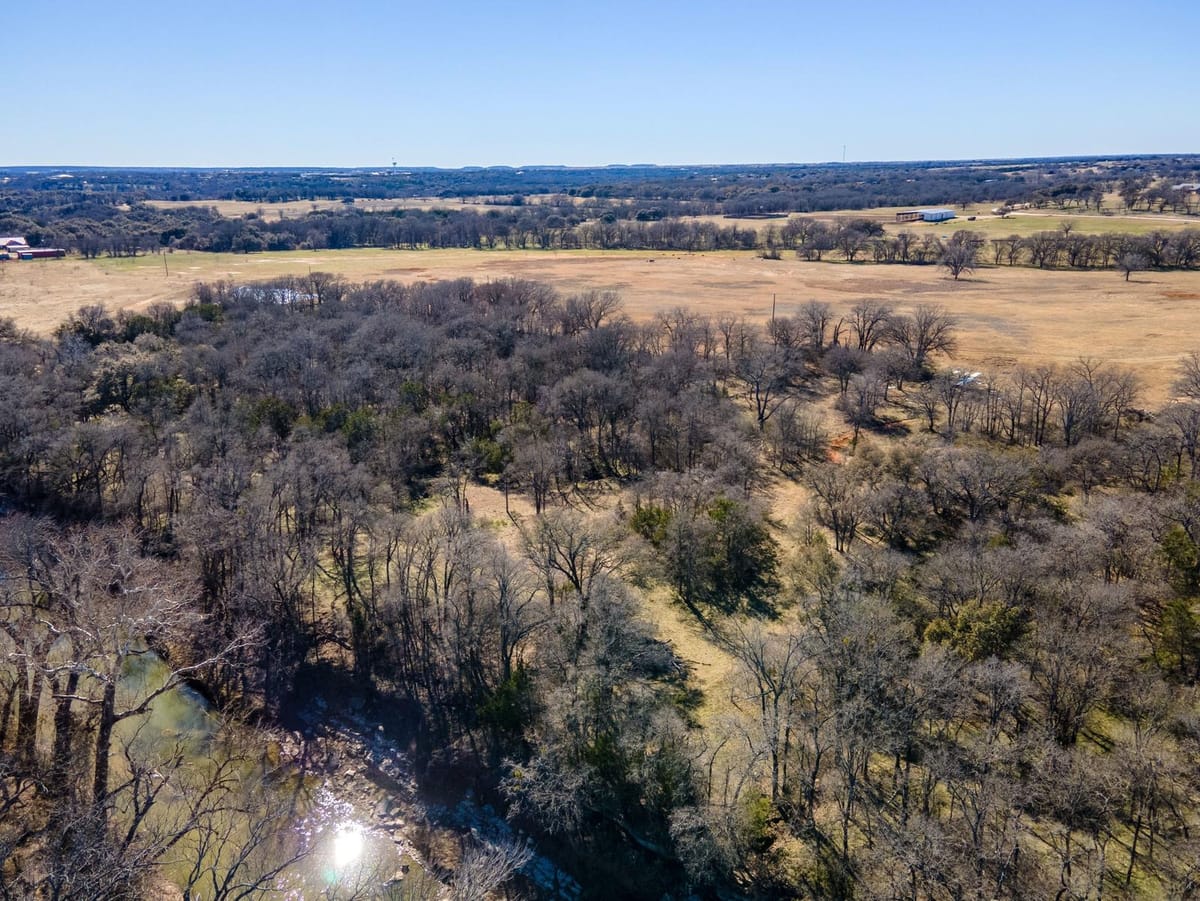
Owner financing can open opportunities for buyers looking for land near Stephenville and across Erath County, especially when traditional bank loans are hard to secure for raw acreage, building sites, ranches, or recreational tracts. In this arrangement, the property owner acts as the lender and the buyer makes payments directly to the seller. While this option makes land more accessible, it requires careful attention to specific steps, risks, and contract details unique to the rural Cross Timbers region.
What Does Owner Financing Mean for Land in Erath County?
With owner financing, the terms—including down payment, monthly payments, interest, and payoff schedules—are negotiated between buyer and seller. This can be helpful for buyers who may not qualify for a conventional land loan, but it does not remove the due diligence required when buying acreage in Stephenville, Dublin, Bluff Dale, or neighboring communities. Key issues like legal access, usable land, deed restrictions, utilities, and taxes must still be addressed.
Preferred Properties of Texas routinely guides clients through the owner-finance process, ensuring that all important checks and steps are completed. Working with an experienced, local real estate broker like Case Horton helps buyers avoid problems and identify the unique requirements involved in rural land transactions.

Key Considerations Before Entering an Owner-Financed Land Agreement
1. Confirm Seller Ownership and Authority
The foundation of any land transaction is a clear title. Start by confirming the seller owns the land and has the legal right to finance and transfer it. Request a recent title search, and if applicable, a title insurance commitment from a reputable title company. Be alert to issues such as outstanding liens, tax delinquencies, or unresolved estate matters.
- Get a copy of the legal description and make sure it matches your intended purchase.
- Ask to see any prior title evidence, a title policy, or closing documents.
- If the property is owned in an entity or trust, verify authority to sell and sign contracts.
2. Understand the Contract Structure
Owner finance contracts may look different from a typical bank mortgage. The two most common formats are:
- Traditional deed and note: Buyer receives the deed at closing and the seller holds a lien until paid off.
- Contract for deed (installment land contract): Seller retains the deed until the buyer fulfills all payment terms. The buyer has possession but usually not legal title until the contract is fully paid.
Each method has distinct pros and cons. A local attorney should review your contract language before signing to ensure your interests are protected.

3. Legal Access and Road Frontage
Access can be a significant issue with rural tracts near Stephenville. Confirm there is a legal and recorded right of access—not just a visible path or private road. Important questions include:
- Does the property front a public road?
- If served by an easement, is it legally recorded, and is the access reasonable for your vehicles, livestock, or farm equipment?
- Who is responsible for maintaining the road or easement?
Failure to verify access is a common regret among new landowners, so this check should be non-negotiable.
4. Current Survey, Boundaries, and Acreage
Land deals in Erath County and the Cross Timbers often involve complex property lines, partial sales, or tracts with uncertain acreage. Existing fences rarely mark legal boundaries. Request a survey, particularly if the property is being divided from a larger parcel. The survey should identify:
- Exact boundaries and acreage
- Encroachments and shared fences
- Existing easements
For more detail about this subject, see our guide about surveys for land buyers.
5. Water Sources and Well Records
Few rural tracts around Stephenville have a public water line, making wells, ponds, or streams essential for most uses. Ask for any available well log or water test report. Key questions include:
- Is there an existing water well or water line connection?
- Are there reliable surface water features (pond, tank, creek)?
- If you plan to drill a well later, have a local driller estimate depth and quality.
For more local tips, review our resource on water wells and rural utilities near Stephenville.
6. Utilities and Septic Feasibility
A property may look perfect but may not support your intended use if you cannot add electric service, high-speed internet, or a compliant septic system. Always investigate:
- Proximity to electric lines and estimated hook-up cost (co-ops may charge by the foot for line extensions)
- Availability of reliable internet or cellular service
- Soil suitability and space for a septic system—some areas are rocky or on floodplain and may face extra requirements
7. Deed Restrictions, Zoning, and Land Use
Each acreage or rural tract in Erath County can have different restrictions. These may limit the ability to keep horses or cattle, place manufactured homes, hunt, subdivide, or run a business. Evaluate these before closing:
- Recorded deed restrictions or POA rules
- County or city building codes (where applicable)
- Easements granted to neighbors, utility providers, or others
For buyers focused on flexibility, it’s crucial to match the land’s restrictions to your needs. Our article on deed restrictions and land use in Erath County can be a helpful resource.

8. Floodplain, Drainage, and Terrain
Always inspect terrain, drainage, and whether the land sits on a floodplain—especially near local creeks or rivers. Flood risk impacts home building, barn sites, and insurance costs. Be prepared to:
- Check FEMA flood maps and ask about past flooding
- Walk the property after rain to spot drainage issues
- Evaluate soil, slopes, and rocky outcrops that affect construction costs
9. Property Taxes and Agricultural Valuation
Agricultural valuation can lower annual taxes for working land, but buyers should confirm whether the current status will transfer. Discuss with local tax professionals:
- What is the current tax rate and status?
- Does the contract specify who pays taxes during the finance period?
- What happens if the land’s use changes and rollback taxes are triggered?
For more on this topic, see property taxes on land in Erath County.
10. Costs, Payment Structure, and Default Provisions
Owner finance agreements often include higher interest rates, balloon payments, or less flexible terms than conventional loans. Review the following:
- Down payment amounts and schedule of payments
- Total interest, amortization, and any scheduled balloon payment
- Penalties for late payment or default
- How and when the deed is transferred
It’s vital to have the numbers in writing and to understand consequences for missed payments or early payoff. Always insist on a written amortization schedule and review the fine print with legal counsel.
Best Practices for Owner Financing Rural Land Near Stephenville
- Work with local professionals who know the rural property market.
- Spend time on the property to evaluate access, terrain, and usability first-hand.
- Always require a recent survey and a proper title search.
- Ask for well logs, soil test reports, and utility availability in writing.
- Discuss your intended use up front and confirm it complies with restrictions, zoning, and POA rules.
- Carefully weigh all costs, not just monthly payments.
- Consult a local real estate attorney (not just the seller’s agent) for contract review.
The team at Preferred Properties of Texas can connect you with local lenders, title companies, surveyors, and inspectors that routinely serve the Stephenville and Erath County land market.

Frequently Asked Questions
What types of land near Stephenville are most often sold with owner financing?
Owner financing is most frequently available on smaller tracts, rural acreage, recreational land, and parcels needing some improvement. Each seller creates their own terms, so offerings can vary from one property to the next.
Can I build right away on land bought with owner financing?
Building eligibility depends on factors beyond the payment method—including deed transfer structure, recorded restrictions, permits, water, septic feasibility, and utility availability. Review all of these with your broker and confirm with local officials before starting any construction.
Do I still need a survey when buying owner-financed land?
Yes. A reliable survey protects both buyer and seller, ensures you’re buying the correct tract, and helps avoid future disputes. It’s especially important if subdividing land or when boundaries are unclear.
Who pays property taxes on owner-financed rural land?
Property tax payment terms should be clearly specified in the written agreement. In some cases, taxes are escrowed by the seller; in others, the buyer pays them directly. Confirm the arrangement and ensure taxes remain current to prevent legal issues.
Does owner financing mean the seller always transfers the deed at closing?
No. The deed transfer can happen at closing or after the buyer completes all payments, depending on contract structure. Confirm exactly when the deed will be recorded and under what conditions.
Talk With a Local Expert Before Making an Offer
Buying land near Stephenville with owner financing involves more than agreeing on a price and signing a contract—it’s about protecting your investment, confirming the property fits your needs, and ensuring your plans are realistic for the location. Case Horton, owner and broker of Preferred Properties of Texas, has experience helping clients work through rural land sales, owner finance contracts, title reviews, and every other detail that can affect your purchase.
If you’re considering land, acreage, or ranch properties in Erath County, Dublin, Bluff Dale, or the surrounding Cross Timbers region, contact Preferred Properties of Texas today to discuss your goals and get a list of current owner-financed properties. You can also browse available listings and learn more about our local services. We’re always ready to answer questions or arrange a private showing for serious buyers looking for the right land.

Leave a Reply