Owning land in Erath County comes with annual property tax responsibilities, regardless of whether your acreage is vacant, improved, used for ranching, or set aside for a homesite. Property taxes support essential local services like schools, county operations, and emergency response, and they represent a significant ongoing expense for buyers, sellers, and long-term landowners in Stephenville, Dublin, Bluff Dale, Hico, Lipan, Huckabay, Lingleville, and Tolar.

Understanding Property Taxes on Erath County Land
All privately owned land in Erath County is subject to property tax unless there is a qualifying exemption or special use valuation in place. The Erath County Appraisal District (Erath CAD) is responsible for assigning a taxable, or “assessed,” value to each parcel each year. The actual tax amount you owe will depend on:
- The taxable value of your land (as determined by Erath CAD)
- The combination of taxing entities that serve the property (county, city, school district, and any special districts)
- Whether your tract qualifies for special valuation, such as agricultural (“ag”) or wildlife use
This means even raw, unimproved acreage will generate a property tax bill each year unless it qualifies for a reduction.
Factors Affecting Your Land’s Property Taxes
- Appraised Value: Each year, Erath CAD analyzes your property to determine an appraised value. Physical improvements, market trends, and sales in the region may influence this number.
- Location: Where your land is located will dictate which taxing units (school district, emergency services, city, or rural area) apply and what rates are charged.
- Current Use: Acreage in agricultural production or wildlife management may be eligible for a different valuation method, often referred to as “ag exemption.”
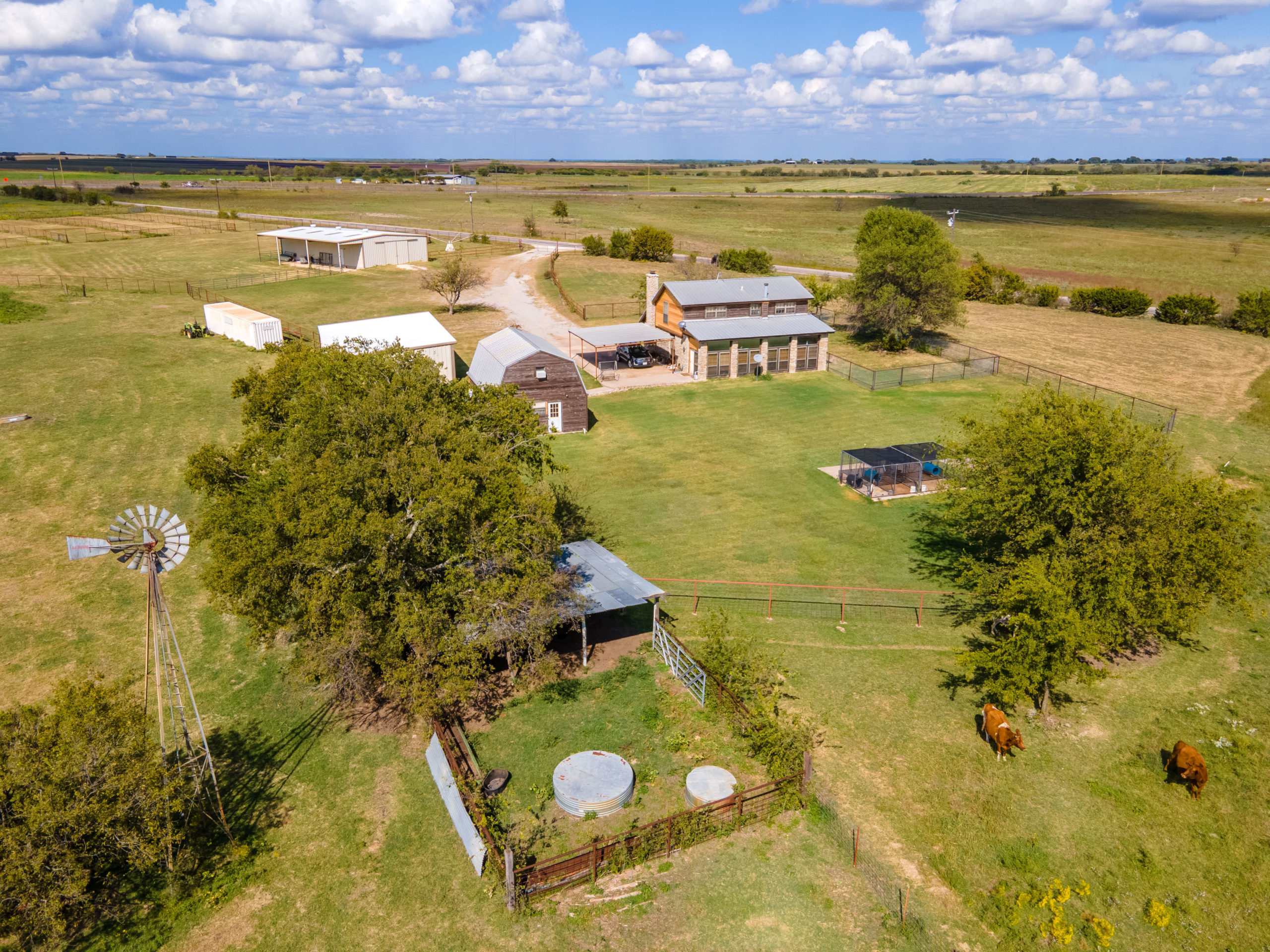
- Improvements: Additions like a house, barn, shop, or arena will usually raise the overall tax bill.
- Special Districts: Some areas are also affected by water, hospital, or municipal utility districts.
Agricultural Valuation Explained (Often Called “Ag Exemption”)
Many Erath County landowners seek agricultural valuation to lower their tax bill. This special valuation reduces the appraised value of qualifying land based on its productivity rather than its highest possible market value. However, receiving ag valuation requires demonstrating ongoing use for purposes like:
- Cattle grazing
- Hay production
- Horse or livestock operations
- Wildlife management (with properly filed plans)
Ag valuation can save a significant amount on your annual property tax bill, but it is not automatic just because the property is outside city limits or appears “rural.” If you purchase land, it’s crucial to verify current status with the appraisal district and continue qualifying activities each year. If ag valuation lapses, the new owner might face “rollback taxes” covering the prior years.
Tip from Preferred Properties of Texas:
Before making an offer on Erath County land, ask for documentation regarding ag or wildlife valuation and review the current and previous tax statements. It’s a detail that can greatly impact your long-term cost of ownership.
What Should Land Buyers Check Before Closing?
Property taxes are just one part of evaluating a tract for purchase, but it is essential not to overlook them. At Preferred Properties of Texas, we advise every buyer to:
- Request the most recent tax bill and appraisal notice for the property
- Ask the seller to confirm and document any ag or wildlife valuation status
- Understand if property is inside city limits or a special district, impacting the tax rate
- Review utility availability, water wells, access, easements, and any restrictions
- Factor in fencing, cross-fencing, barns, and other structures to assess how complete the property is for your goals
Beyond taxes, other important evaluation areas include legal access, floodplain exposure, soil and terrain, and long-term suitability for your intended use. If you want a deeper look at rural tract due diligence, our article Understanding Deed Restrictions and Land Use in Erath County outlines more of these key steps.
 Best Practices for Managing Property Taxes in Erath County

- Review your property tax appraisal every spring for errors or changes
- Keep up with deadlines set by Erath CAD for application for ag valuation or other exemptions
- Maintain records of qualifying agricultural activity and supporting documentation for each year
- Consult a local tax professional for guidance if your property use changes or if you receive appraisal notices you don’t understand
- If you plan to sell, prepare the most recent tax statements, appraisal notices, and proof of ag or wildlife valuation to avoid surprises during the transaction
Preferred Properties of Texas helps clients organize key property information in advance, smoothing the sale process for land and ranch tracts across Stephenville, Dublin, and the greater Erath County area.
What Sellers Need to Know About Land Taxes
When listing property, potential buyers nearly always ask about annual carrying costs—including property taxes. Quick access to recent tax amounts and details on any ag or special valuation can set your listing apart and avoid headaches at negotiation. It’s also helpful to provide information about improvements, recent utility costs, and records of land use for buyers considering continued agricultural production.
Learn more about preparing your property for market in our post, How to Prepare an Erath County Ranch for Fall Buyers.
Common Questions About Property Taxes on Land in Erath County
Is vacant land in Erath County taxed?
Yes. Unless a qualifying exemption or special use valuation is in place, all land—whether vacant, improved, or agricultural—is taxable each year.
Does an ag exemption mean there are no property taxes?
No. Agricultural valuation can significantly reduce the taxed value of the qualifying acreage, but you will still owe property taxes to the relevant taxing entities every year.
Are land tax rates the same throughout Erath County?
No. Tax rates vary based on school district, city or rural location, and any special districts affecting the land. Even two tracts only a few miles apart can see noticeable differences based on where they are located.
Who sets land values and collects property taxes?
The Erath County Appraisal District (Erath CAD) assigns the taxable value. The Erath County Tax Assessor-Collector sends bills and collects payments. Each taxing entity (school, county, special districts) sets its own rate.
Where can buyers and sellers find current property tax details?
Request the most recent tax bill and appraisal notice from the seller or property owner. For official records and info on valuation or exemptions, contact Erath CAD directly or visit their offices.
Why Careful Planning Matters for Land and Ranch Buyers
The annual property tax bill can be a surprise for those new to Texas or rural property. Review all expenses early, alongside fencing, water wells, utilities, and access, to make sure the tract fits your goals and budget. We can connect you with local professionals, including surveyors, appraisers, and tax consultants, who understand the unique aspects of North Central Texas land.
Talk to a Local Expert in Stephenville and Erath County
If you have questions about land or rural property taxes in Erath County, or need advice on ag valuation, restrictions, and access, Preferred Properties of Texas and owner/broker Case Horton are ready to help. As local specialists serving Stephenville and all of Erath County, we guide buyers and sellers through every step—answering questions about taxes, restrictions, property use, and long-term value.
Ready to find the right tract or prepare your property for the market? Contact Case Horton at Preferred Properties of Texas for current opportunities, a property-value consultation, or practical advice on buying and selling real estate in the Cross Timbers region.

Leave a Reply