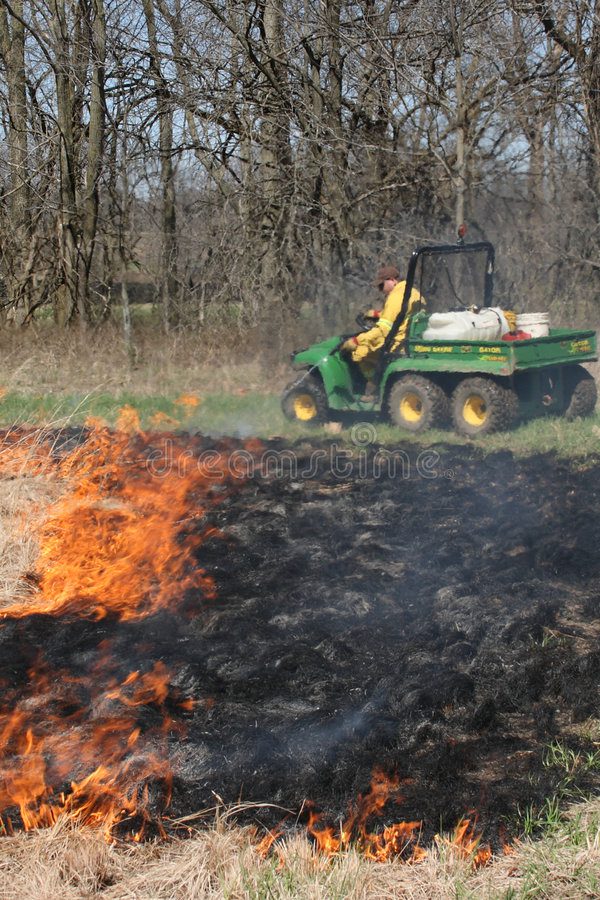
 Land ownership comes with many responsibilities. According to where you live, what type of land you own and how you use it, controlled burning may be one of your responsibilities.
Prescribed burns are also called controlled burns. They have many benefits for outdoor habitats. The benefits of controlled burns include reducing the risk for wildfires, and eliminating invasive plants. Burning can be essential for certain plants and animals to thrive.
All fires, whether they are prescribed or not, pose risks, particularly to wildlife. It is important to reduce these risks to the minimum to ensure a successful burn and to maintain a healthy environment.
How can you plan strategically to burn your land, without putting the wildlife in your area at risk? Here are some tips on how to ensure your controlled burn does not put animals in danger.
1. Do a few smaller burns instead of one large burn
Divide your burn area into smaller areas, leaving plenty of room for animals to flee. This will give animals a place to escape smoke and fire, as well as a way to keep your burn contained.
At least a part of the safe space should not be burned. This will give critters, bugs, and other wildlife a place to hide and run, as well as a hint of where to go.
2. Avoid Burning in Certain Seasons
When planning the timing of a controlled burn, there are several things to consider. When it comes to the safety of wildlife, this includes avoiding mating and breeding seasons which generally occur between mid-October and mid-May.
If you stick to the schedule, your burn will occur when most animals are inactive. If they are not already underground, many creatures such as mice and snakes will burrow to avoid the fire. Others will be able to get away more easily and start over somewhere else.
3. After the burn is over, do a walkthrough
If you take the necessary precautions, it’s unlikely that your controlled burn will cause any serious damage to wildlife. You should still walk around the burned area after the fire has been extinguished to look for any injured animals that may need your assistance. Call your local wildlife center and ask what to do if you see one.
When done correctly, controlled burnings can be beneficial to wildlife. Be sure to research state and local laws, and the permit requirements before you start. You may need to hire a professional crew depending on where you reside. Or you can do it anyway to ensure that the burn is done in a safe manner for you, your land and wildlife.

Leave a Reply