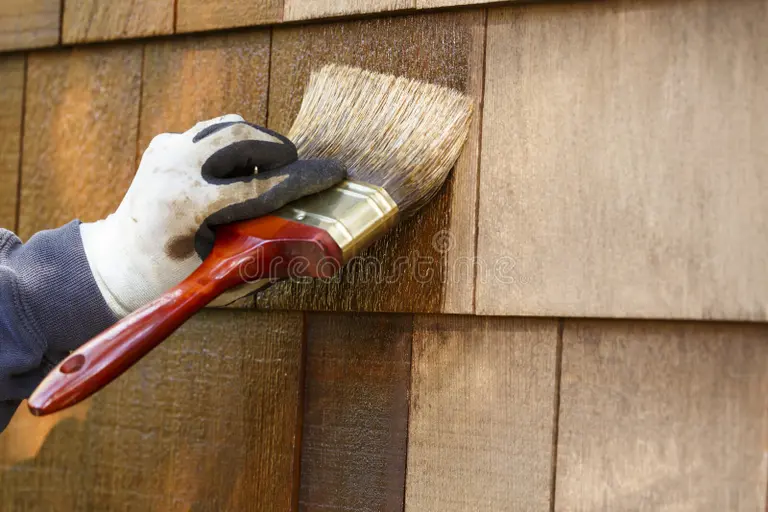
Homeowners are increasingly looking to save money and gain valuable experience by performing their own home repairs and renovations. When do you know whether a project is DIY worthy or DIY crazy?
We look at five of the most popular DIY projects to see if you can do it yourself or if you should leave it to the professionals.
New Floors
The cost of installing new wood floors varies widely and is heavily dependent on the price of the product. HomeAdvisor estimates that installation costs $3-8 per square feet. You can save thousands of dollars by installing the floor yourself, but this can be difficult.
Today’s homeowner said that installing wood (or wood-like floors) can be a DIY project, but it may also require some carpentry skills and finishing.
Installation is a tedious and difficult task that can be exhausting. However, it can also be incredibly rewarding if you succeed. Money reported that flooring is one of most popular home improvement projects. It’s an inexpensive way to change the look and feel without spending a fortune. “We’ve seen this project really take off with the open-plan homes of today.”
Take breaks when needed and invest in quality products, tools, etc. to keep your mind and body in a healthy state.
New Lighting
The right lighting can make all the difference to the look and feel of your home. A sparkling chandelier over the table, or some new pendants above the kitchen island. Changing the lighting can make a room look more vibrant or add personality. We’re not afraid to use anything that could electrocute us, but we do pick out the best. You can install a new sconce if you are confident in your basic wiring skills. This article will give you some useful information.
HomeGuide said that the hourly rate for the rest of us is “$40 to $100 per hour, plus a $75 service fee.” “Small Electrical Projects range from $141 up to $419, with most homeowners spending an average of $280. The hourly rate and project rates are determined by the electrician’s level of experience and the type and size of the work.
New Plumbing Fixtures
We also don’t mess around with plumbing. We’re happy paying a professional to get the job done right. For those who know what they’re doing, the savings can be worth it. A new sink and faucet can transform a kitchen. In the bathroom, changing the shower head and the faucets can give the impression that the space is updated.
HomeAdvisor estimates that plumbers charge “from $175 up to $450 per typical job, with an average hourly cost ranging between $45 and $200”, according to the website.
Replace windows and doors
New windows and door can improve curb appeal, increase energy efficiency, and even provide a pretty good ROI. This is a job best left to professionals. The Spruce said that window replacement is a more difficult task than homeowners might expect. “Window installers replace windows every day; what is difficult for a DIYer is rote to them.”
HomeAdvisor says that “labor costs $150 to $850 per window.” Savings can be significant. You can find some good information here on how to do it. Window E-Store also has a great selection of windows.
Painting your kitchen cabinets
We’ve talked about painting kitchen cabinets a lot, because it’s a popular renovation. Hiring a professional to do the job can be prohibitively expensive. You’re looking at spending several thousand dollars for a good finish. You might save some money by hiring someone who doesn’t have the experience or isn’t willing to do the preparation or skip steps. But you could also end up with cracks, drips, peeling or cracked paint.
Painting your own cabinets can be a huge undertaking. It will test your patience and resolve, maybe even your marriage. Consider this carefully.
Original Blog: https://realtytimes.com/consumeradvice/homeownersadvice/item/1031724-it-s-a-diy-world-out-there-are-you-game?rtmpage=null

Leave a Reply