Mountain Lakes is usually the better fit in Bluff Dale if you want an acreage homesite with shared lake and recreation amenities in a defined community. Rural acreage outside the subdivision is usually the better starting point if you need room and flexibility for horses, livestock, a shop, or a more independent land-use plan. Neither choice is automatically simpler or less expensive. The right answer depends on what you can actually do with a particular parcel.
That is how we approach the Mountain Lakes vs. rural acreage decision at Preferred Properties of Texas. Start with your intended use, then check restrictions, access, water, utilities, terrain, and ongoing responsibilities. A lake amenity cannot make up for a homesite that does not suit your building plan, just as extra acres do not help if you cannot reach or service the place you want to build.
A useful rule: Choose Mountain Lakes for the community experience, provided its rules and the specific lot support your plans. Choose independent acreage for a land-centered plan, provided the tract has workable access, infrastructure, and usable ground.
What are you comparing in Bluff Dale?
Bluff Dale real estate includes homes and land in a community setting as well as rural tracts outside it. Mountain Lakes is a gated residential land community in the Bluff Dale area. Its amenities include Beacon Lake and Anglers Cove, a beach-style pool, RV facilities, boat storage, a community garden, and a playground. Those shared features are a meaningful part of the purchase for someone who expects to use them.
Here, rural acreage means a tract outside Mountain Lakes that you evaluate primarily for its own land, location, and improvements rather than subdivision amenities. It could be a homesite, recreational place, or land intended for animals. The details change from parcel to parcel. An open tract with good pasture is a different proposition from a heavily wooded tract with limited level ground, even if the two have similar acreage.
Do not mistake a community lake for private waterfront ownership. Ask whether a particular Mountain Lakes parcel borders water, what access an owner has to community amenities, and what rules apply to their use. Likewise, do not assume a pond or creek on rural land provides a dependable water source. Visit the property and investigate the feature itself.
Mountain Lakes vs. rural acreage: the practical differences
| Question | Mountain Lakes | Rural acreage outside the community |
|---|---|---|
| What are you buying into? | A residential land community with shared recreation amenities. | An individual tract whose value to you rests on its land, access, location, and improvements. |
| How do you check land use? | Review recorded restrictions and current community rules before planning a home, animals, RV, or outbuilding. | Review the deed, easements, any recorded restrictions, and rules affecting the tract. Outside a subdivision does not mean unrestricted. |
| Who handles upkeep? | Confirm what community arrangements cover and what remains the lot owner’s responsibility. | Expect to investigate responsibility for fences, gates, driveways, water systems, and any private road. |
| What matters for privacy? | Lot position, nearby homes, roads, and community activity. | Parcel size, shape, terrain, neighboring uses, and where a home can actually sit. |
| What matters for building? | Homesite suitability, restrictions, water, power, septic, and access from the road. | The same site questions, often with greater attention to the distance and cost of bringing services to the build location. |
The important distinction is not that one option has rules and the other does not. Every parcel needs its own review. The distinction is whether shared amenities and community expectations help your plans or whether you would rather make the land itself the focus.
When Mountain Lakes makes sense
You will use the amenities
If lake access and a pool are part of how you plan to spend weekends or time at home, Mountain Lakes offers something an ordinary rural tract may not. The RV facilities, boat storage, garden, and playground can also matter, but only if their current terms fit your needs. Ask about access, use rules, any applicable fees, and storage arrangements before assigning value to a feature.
Think about your routine, not just your first visit. Will you regularly use the lakes or pool? Do you want a place where visiting family can enjoy the community setting? If the amenities are unlikely to be used, their presence should not outweigh a poor fit on the lot itself.
You prefer a defined neighborhood setting
A gated community can appeal to buyers who want rural surroundings and a recognizable neighborhood. That comes with neighbors, shared spaces, and standards you must understand before purchasing. Walk or drive the immediate area around a prospective lot. Notice its road position, the location of nearby homes, and where you would place a house to get the privacy you want.
A lot in a subdivision is still a land purchase. Trees, slopes, drainage, and the distance from the road to a suitable building area all affect what you can do. If you intend to build later rather than immediately, ask the same questions now. Delaying construction does not make site limitations disappear.
When independent rural acreage makes more sense
Your plans need usable ground, not simply a larger acreage number
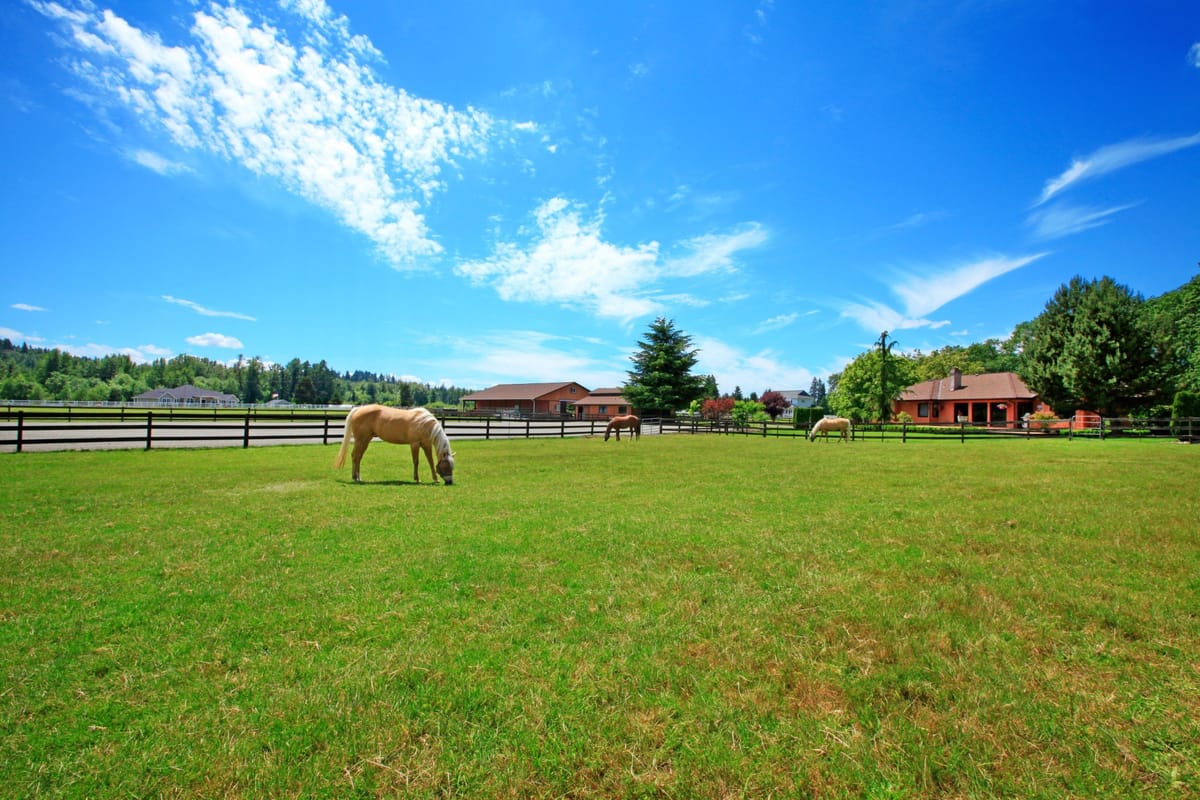
For horses or livestock, focus on the acreage you can actually use. Look at pasture, shade, fencing and cross-fencing, water access, trailer entry, and the space needed for a barn or arena. Steep, rocky, heavily wooded, or poorly drained ground may be valuable for other reasons but may not serve an animal operation the way the acreage figure suggests.
Rural land may give you more options for equipment, workshops, and agricultural use, but confirm the particular tract allows what you have in mind. If horses are the priority, our guide to evaluating acreage for horses near Stephenville is a useful companion to a Bluff Dale search.
You want the layout to follow your work or recreation
A buyer with trailers, farm equipment, or several planned improvements may care more about gate width and turning room than a lake view. Another may want a private homesite away from the road and room to maintain the surrounding land as a buffer. Independent acreage is often the more natural place to begin those searches.
Be realistic about ownership work. A longer driveway must be maintained. Fences need attention, and a water system or septic system needs proper evaluation. If a road crosses another person’s land, understand the legal access and maintenance arrangements. More freedom to shape a property often means more responsibility for its infrastructure.
How to evaluate either Bluff Dale property before making an offer
We find it helpful to turn a wish list into a site-specific review. The following sequence keeps an attractive view or amenity from distracting you from a basic limitation.
- Write down the intended use. Separate essentials from preferences. A place for two horses, a full-time home, and occasional trailer parking requires a different property than a weekend homesite with community recreation.
- Confirm access on paper and in person. Identify the road frontage or access route, review recorded easements, and check whether the entrance works for your vehicles. Ask who maintains any private road or shared gate.
- Locate the workable homesite. Walk the ground rather than relying on an aerial view. Consider slope, trees, drainage, road position, and room for the home, driveway, and any planned outbuildings.
- Investigate water, power, and wastewater. Identify existing service, potential connections, wells, and the proposed location for a septic system. Obtain information about service availability and likely work at the actual build site, not just at the road.
- Read the property documents. Review the survey, deed restrictions, easements, and community documents where applicable. Make a separate list of questions about animals, RVs, shops, barns, and any future changes you hope to make.
- Compare the cost of ownership. Consider the purchase price alongside inspections, site preparation, fencing, driveway work, utilities, maintenance, and community charges where applicable.
For a deeper look at site services, see our guide to water wells and rural utilities near Stephenville. The questions apply just as strongly when a Bluff Dale listing looks ready to build.
Restrictions, surveys, and water deserve their own review
Read restrictions against your actual plans
Do not ask only whether a tract is restricted. Ask whether its restrictions affect the specific improvements and activities you want. If you plan to keep animals, park an RV, build a shop, or add a guest space, get clarity on each use before committing. A rural address outside Mountain Lakes is no guarantee that a property has no recorded limitations. Our discussion of deed restrictions and land use in Erath County explains why this step matters.
Match the survey to what you see
A fence is not a substitute for a boundary survey. Look at how the surveyed lines relate to driveways, gates, improvements, and the place you expect to build. If a survey is older or the land has changed, ask whether it will serve the transaction and your plans. Our article on surveys when buying Erath County land outlines the questions to raise.
Treat water features and water service separately
Beacon Lake and Anglers Cove are community amenities, not a substitute for confirming a lot’s household water service. On independent acreage, a pond or seasonal water feature is likewise separate from a home’s water supply. Check existing service, the proposed connection or well, and the water needs of any animals. If low ground or a drainage path crosses a tract, consider how that affects access, fencing, and building placement. Bring in the appropriate professional for site, floodplain, septic, or water questions.
Before you rely on an assumption: Have a qualified professional address legal, tax, lending, engineering, septic, and environmental questions. A broker can help organize the property review, but those decisions require the right specialist.
What about agricultural valuation, financing, and resale?
If a rural tract has an agricultural valuation, ask what use supports it and whether your planned use could affect it. Do not assume that buying acreage creates or preserves a particular tax treatment. An appraisal district or qualified tax professional can address the property’s specifics. Our article on keeping an agricultural valuation after a ranch purchase provides questions to take into that conversation.
Talk with a lender early about the property type you intend to buy. A finished home, vacant lot, and larger tract with agricultural improvements are different purchases to evaluate. Ask how the property’s condition and intended use affect the loan options available to you, rather than assuming financing for one will work for another.
For resale, think about what the next buyer will need to understand. On a Mountain Lakes property, clear information about restrictions, amenities, utility service, and the homesite helps buyers assess the lot. On rural acreage, records for access, surveys, wells, septic, fencing, and other improvements can answer important questions. Neither property type has an assured resale advantage. Fit, condition, and the market at the time will matter.
Best practices for choosing between the two
- Tour examples of both property types. A comparison on paper will not tell you whether you prefer a community road or an independent tract’s entrance and setting.
- Visit with a specific building or land-use plan. Stand where the house, barn, or shop would go. Check how you would reach it and where services would run.
- Put restrictions ahead of design work. Confirm the use is possible before you invest time planning improvements around it.
- Compare the complete ownership picture. Shared amenities and independent land each come with responsibilities. Identify those responsibilities before comparing asking prices.
- Keep the search local and current. Available Bluff Dale properties will not all offer the same terrain, improvements, or terms. Ask Case Horton for current local market information when you are ready to compare specific listings.
Frequently asked questions about Mountain Lakes and Bluff Dale acreage
Is Mountain Lakes the same as owning lakefront property?
No. Mountain Lakes has community lakes, but a particular lot’s relationship to the water varies. Check the parcel boundaries and the current rules for owner access and lake use.
Can I keep horses on a Mountain Lakes lot?
Do not decide from acreage or a listing description alone. Review the recorded restrictions and current community rules for the specific parcel, including any provisions affecting animals and related improvements.
Is land outside Mountain Lakes unrestricted?
Not necessarily. Independent rural property can have deed restrictions, easements, and access arrangements. Review the recorded documents against what you want to build or do on the land.
Which option is easier for building a home?
It depends on the individual site. Compare access, slope, drainage, utility service, septic feasibility, and any building restrictions. A lot in a defined community is not automatically ready to build, and a rural tract is not automatically difficult.
What should I ask for before touring Bluff Dale land?
Start with the listing details, any available survey, information on access and utilities, and restrictions or community documents if applicable. Then use the visit to test whether the land works for your intended use.
Choose the Bluff Dale property that fits your plans
The Mountain Lakes vs. rural acreage choice comes down to daily use. If you want shared recreation and a community setting, put Mountain Lakes lots on your list and examine each one as a building site. If your priorities are horses, equipment, flexible layout, or greater separation, begin with rural tracts and investigate their access and infrastructure just as closely.
Case Horton is the local owner and broker of Preferred Properties of Texas, with experience helping clients buy and sell homes, ranches, land, acreage, farms, recreational property, luxury property, and investment real estate around Stephenville and the surrounding region. To compare current Bluff Dale options, contact Case Horton or call (254) 965-7775. Tell us how you intend to use the property, and we can help you focus your search and schedule showings that fit.

Leave a Reply