 7 Mistakes to Avoid When Buying Land Near Stephenville, TX

Buying land near Stephenville, Texas, can open the door to a rewarding lifestyle and a valuable long-term investment. Whether you want to build a country home, establish a horse property, run cattle, hunt, enjoy weekend recreation, or hold acreage for the future, the right property can provide opportunities that an ordinary residential lot cannot.
However, purchasing rural land is considerably different from buying a home in town.
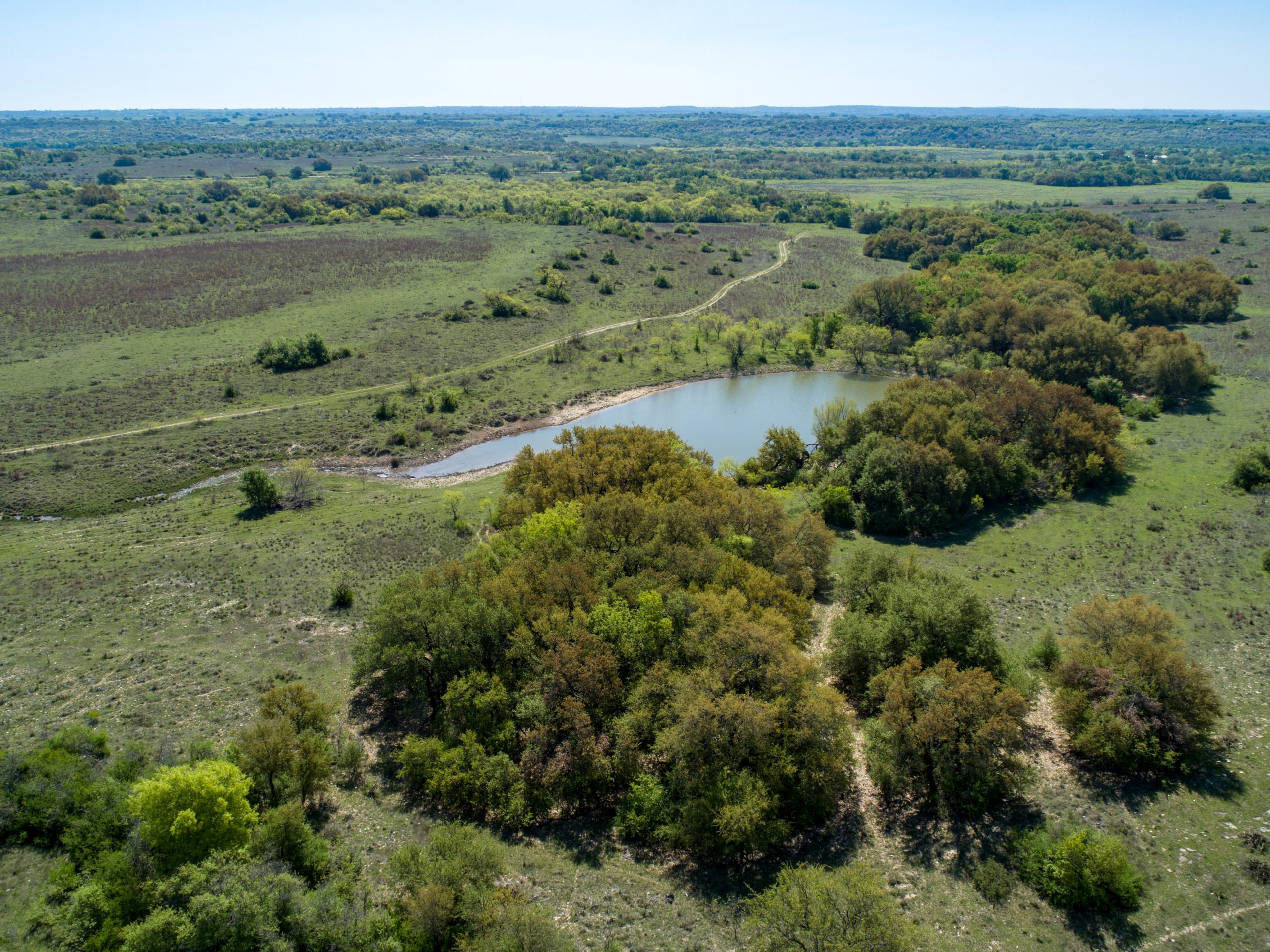
A beautiful tract may have mature oak trees, rolling terrain, attractive views, or creek frontage—but those features do not necessarily tell you whether the property can support your plans. Access, utilities, water, restrictions, soil conditions, financing, taxes, and mineral rights can all affect a property’s usefulness and value.
If you are considering land for sale in Stephenville, Erath County, Dublin, Hico, Bluff Dale, Lipan, Lingleville, Huckabay, Tolar, or another nearby community, watch for these seven common mistakes.
1. Failing to Confirm Legal and Practical Access
Seeing a gate, road, or trail leading to a property does not automatically mean the owner has permanent legal access.
Some rural tracts are accessed through neighboring land using an easement. Others may have physical access that has been used informally for years but is not adequately documented in the county records. A property may also be technically accessible while the road itself is difficult to travel during wet weather.
Before purchasing land, buyers should investigate:
- Whether the property has direct frontage on a public road
- Whether access depends on a recorded easement
- Who owns and maintains the access road
- Whether the road is suitable for ordinary vehicles, trailers, and construction equipment
- Whether gates or shared entrances create additional obligations
- Whether the access arrangement could affect financing or future resale
Access is especially important when considering larger ranches, recreational acreage, or tracts created by subdividing a larger property.
A survey, title commitment, and review of recorded easements can help buyers better understand how they may legally enter and use the property.
2. Assuming You Can Use the Land Any Way You Want
A rural address does not necessarily mean there are no restrictions.
The land could be subject to deed restrictions, subdivision covenants, easements, municipal regulations, or rules associated with its location near a city. These limitations may affect whether you can subdivide the property, build multiple homes, place a manufactured home, operate a business, park an RV, or keep certain types of livestock.
Before making an offer, determine whether your plans are compatible with the property. Important questions may include:
- Are there deed restrictions or subdivision covenants?
- Is the property inside a city limit or extraterritorial jurisdiction?
- Are manufactured homes permitted?
- Are there minimum home-size requirements?
- Can the property be subdivided?
- Are short-term rentals allowed?
- Are there restrictions on livestock or commercial activity?
- Are there pipelines, utility easements, or other encumbrances?
Do not rely solely on how nearby properties are being used. A neighbor’s land may be subject to entirely different restrictions.
3. Underestimating the Cost of Utilities and Improvements
A lower purchase price does not always mean a lower total investment.
Many properties outside Stephenville and the surrounding communities do not have city water or sewer service. A buyer may need to install a water well, septic system, propane tank, driveway, culvert, fencing, or electrical service.
Before closing, investigate the availability and estimated cost of:
- Electricity
- Water-well installation
- Community or rural water service
- Septic-system installation
- Propane service
- Internet and cellular coverage
- Driveways, culverts, and entrance permits
- Fencing and cross-fencing
The distance between the nearest power source and the desired building site can significantly affect the cost of extending electricity. Rocky terrain, soil conditions, elevation changes, and driveway length may also increase development expenses.
When comparing two properties, consider the total cost of making the land usable, not just the price per acre.
4. Skipping Soil, Septic, Water, and Floodplain Research

Land that looks ideal during a short visit may have conditions that are difficult to see.
Properties around Stephenville and North Central Texas can vary widely in topography, soil depth, drainage, rock content, and water availability. These conditions may affect home construction, road installation, agricultural production, pond development, and septic-system placement.
Depending on your intended use, due diligence may include:
- Reviewing soil information
- Evaluating potential septic locations
- Researching nearby water-well records
- Obtaining estimates from local well drillers
- Checking floodplain maps
- Inspecting drainage patterns
- Evaluating creek and river crossings
- Studying elevation and topography
- Consulting appropriate engineers, contractors, or environmental professionals
Water deserves particular attention. A seasonal creek, pond, or nearby well does not guarantee that a property will provide the water supply you need.
Land along the Bosque River, Paluxy River, or smaller creeks can offer attractive scenery and recreation, but buyers should carefully investigate floodplain boundaries, access during heavy rain, erosion, and building-site elevation.
5. Buying Without Understanding the Survey and Boundaries
Fence lines are useful, but they are not always the legal property lines.
Older fences may have been placed for convenience rather than directly on a surveyed boundary. Neighboring improvements, roads, barns, gates, or utilities may also cross a property line.
A current or acceptable survey can help identify:
- Property boundaries
- Acreage
- Easements
- Road frontage
- Encroachments
- Improvements
- Pipelines and utility corridors
- Creeks and other physical features
This becomes especially important when a buyer plans to build near a boundary, install new fencing, subdivide the property, or purchase only a portion of a larger tract.
Buyers should also physically tour as much of the property as reasonably possible. Aerial maps and listing photographs are helpful, but they may not reveal washed-out creek crossings, damaged fencing, illegal dumping, steep terrain, unwanted neighboring uses, or inaccessible sections of the land.
6. Overlooking Taxes, Agricultural Valuation, and Ownership Costs
The monthly payment is only one part of the cost of owning rural property.
Buyers should research the property’s current tax status and determine whether it receives an agricultural or wildlife-management valuation. In Texas, what many people call an “ag exemption” is generally a special method of valuing qualifying land—not a complete exemption from property taxes.
A change in use may affect future taxes and could potentially create rollback-tax consequences. Buyers should consult the appropriate county appraisal district and qualified tax professionals regarding their particular situation.
Depending on the property, ongoing expenses may include:
- Property taxes
- Insurance
- Road maintenance
- Fence and gate repairs
- Brush management
- Livestock infrastructure
- Well and septic maintenance
- Pond or erosion repairs
- Predator and pest control
- Mowing and wildfire-risk reduction
A larger property may offer more freedom, privacy, and recreational value, but it can also require more time, equipment, and money to maintain.
7. Failing to Investigate Mineral Rights and Surface Conditions
In Texas, mineral ownership may be separate from surface ownership. A seller may own all, some, or none of the minerals associated with the property.
Buyers should avoid assuming that mineral rights automatically transfer with the land. The title commitment and other available records may help identify recorded mineral reservations, leases, pipelines, well sites, and related agreements, although specialized legal research may sometimes be appropriate.
Questions to investigate include:
- Are any mineral rights being conveyed?
- Are existing oil, gas, or mineral leases in place?
- Are there active or inactive well sites nearby?
- Are pipelines or access easements located on the property?
- Could existing agreements affect the intended use of the surface?
- Are wind, solar, or other resource rights addressed?
Mineral and surface-right issues can be complicated. Buyers with concerns should consult a Texas attorney or another qualified professional before closing.
Local Knowledge Matters When Buying Texas Land
Buying acreage involves more than finding a tract with an attractive price and good photographs. The property must work for your goals, whether those goals include building a home, raising horses, grazing livestock, hunting, investing, or simply enjoying more space.
An experienced local real estate broker can help you identify questions to ask, gather available property information, coordinate inspections, and structure an offer with appropriate due-diligence considerations.
 Case Horton, Owner and Broker of Preferred Properties of Texas, has more than a decade of real estate experience and a strong understanding of the Stephenville-area land market. As a Stephenville native and Tarleton State University graduate, Case helps buyers evaluate properties throughout Erath County and neighboring North Central Texas communities.
If you are searching for land, ranches, farms, horse properties, recreational acreage, or country homes near Stephenville, contact Preferred Properties of Texas before you make your next move.
Visit Preferred Properties of Texas or contact Case Horton to begin your land search.
Frequently Asked Questions About Buying Land Near Stephenville
1. What should I check before buying land in Erath County?
Buyers should investigate legal access, deed restrictions, utilities, water availability, septic feasibility, boundaries, floodplain status, taxes, agricultural valuation, easements, and mineral rights. The exact due diligence depends on the property and its intended use.
2. Can I build any type of home on rural land near Stephenville?
Not necessarily. Deed restrictions, subdivision rules, easements, municipal regulations, septic requirements, and other limitations may affect what and where you can build. Verify these matters before purchasing the property.
3. Does rural land usually include mineral rights?
No. Mineral rights may have been reserved or sold by a previous owner. The purchase contract, title records, and deed should be carefully reviewed to determine what rights, if any, are being conveyed.
4. Can I keep horses or cattle on land near Stephenville?
Many area properties are suitable for livestock, but acreage alone does not determine suitability. Buyers should consider restrictions, fencing, soil, forage, shade, water, stocking requirements, and agricultural-valuation rules.
5. Why use a local broker when buying land?
A local land broker understands how access, water, terrain, restrictions, utilities, agricultural uses, and area-specific market conditions can affect property value. That experience can help buyers ask better questions before committing to a purchase.

Leave a Reply